
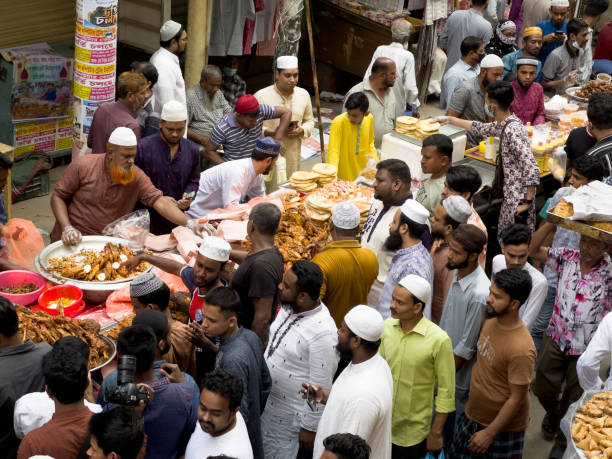
Today, the world recognizes Bangladesh for its rich cultural identity.Culture of Bangladesh: A Rich Heritage of Unity and Diversity
Bangladesh possesses a deeply rooted, vibrant, and diverse culture that has evolved over thousands of years through a rich history of coexistence and communal harmony.
The bedrock of this cultural identity is the Bengali language; the historic struggle and supreme sacrifice made by its people to protect their mother tongue remains a unique event in world history, now globally honored as International Mother Language Day. Bangladeshi culture is beautifully reflected in its seasonal festivities, often described by the local proverb, “Thirteen festivals in twelve months.” Major religious and cultural celebrations like Pohela Boishakh (Bengali New Year) with its colorful Mangal Shobhajatra procession, Eid-ul-Fitr, Eid-ul-Adha, Durga Puja, Buddha Purnima, and Christmas are celebrated collectively, transcending religious boundaries. The country’s folk heritage is equally mesmerizing, with the mystical melodies of Baul, Bhatiali, and Bhawaiya songs capturing the deep-rooted essence of the land. Furthermore, Bangladesh’s traditional craftsmanship—such as the intricate artistry of Nakshi Kantha (embroidered quilts) and the world-renowned Jamdani and Muslin fabrics—stands as a testament to its artistic legacy. The culinary culture, defined by the classic love for “Maach-e-Bhaat” (fish and rice), alongside the celebration of winter pitha (rice cakes), mirrors the warm hospitality intrinsic to the Bangladeshi people. Despite rapid modernization, the soul of Bangladesh remains tethered to its rural roots, fairs, and timeless traditions, showcasing a profound unity in diversi
The Historical Significance of the Culture of Bangladesh
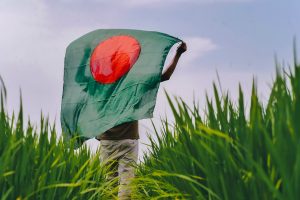
Centuries of history have shaped the culture of Bangladesh, including ancient kingdoms, Mughal influence, and colonial rule. Each era has contributed to the development of language, traditions, and social values that define modern Bangladesh.
The Language Movement of 1952 remains one of the most important historical events in Bangladesh, symbolizing cultural identity and national pride. Moreover, this movement not only shaped the nation’s identity but also gained international recognition when UNESCO declared 21st February as International Mother Language Day. In addition, it strengthened the foundation of linguistic and cultural awareness across the country.
Religious Harmony and Social Unity in the Culture of Bangladesh
One of the most unique aspects of culture of Bangladesh is religious harmony. People of different faiths—Islam, Hinduism, Buddhism, and Christianity—live together peacefully and celebrate each other’s festivals.
Communities come together during national celebrations, participating in each other’s cultural events and promoting peace and mutual respect.
Modern Influence on Traditional Culture of Bangladesh
In recent years, globalization and urbanization have influenced Bangladeshi culture. Modern music, fashion, and digital media are blending with traditional values.
Despite this modernization, people still maintain strong connections to their roots through festivals, traditional food, and folk art.
Preserving the culture of Bangladesh is essential for future generations. Educational institutions, cultural organizations, and government initiatives play an important role in protecting heritage sites, traditional crafts, and indigenous music.
Without effective preservation, many valuable elements of Bangladesh’s culture may gradually disappear.
Bangladesh in the Global Cultural Map
Today, the world recognizes Bangladesh for its rich cultural identity.From UNESCO-listed heritage elements to international cultural festivals, the country continues to showcase its traditions to the world.
This global recognition helps promote tourism, cultural exchange, and national pride.
Final Reflection
Bangladesh’s cultural identity is not only a reflection of its past but also a living, evolving heritage. It represents unity, diversity, and resilience, making it one of the most vibrant societies in South Asia.