Nature

Natural Beauty of Cox’s Bazar: A Paradise by the Sea

the beauty in cox’s bazar Cox’s Bazar The hidden beauty of nature in Cox’s Bazar is one of the most attractive features of this beautiful coastal destination. From peaceful beaches and green landscapes to stunning sunsets, Cox’s Bazar offers visitors many natural wonders to explore. Cox’s Bazar is one of the most beautiful natural destinations in Bangladesh. It is famous for its long sandy beach, blue sea, golden sunsets, and peaceful coastal environment. Hidden Green Landscapes One of the most attractive hidden features of Cox’s Bazar is its green landscape. Away from crowded tourist areas, visitors can discover beautiful hills, trees, and peaceful villages surrounded by fresh natural air. These places offer a relaxing experience for people who want to escape from the noise and busy lifestyle of cities. The combination of green hills, blue skies, and natural scenery creates a wonderful view. Beyond the busy beach areas, Cox’s Bazar offers beautiful green hills, forests, and peaceful villages. These hidden landscapes provide fresh air, stunning views, and a perfect escape into nature. Peaceful Coastal Beauty The coastal areas of Cox’s Bazar have a special charm. Early in the morning, the calm sea, soft sunlight, and gentle waves create a peaceful atmosphere. In the evening, the colorful sunset transforms the coastline into a breathtaking natural scene. Exploring quieter parts of the beach allows visitors to experience the natural beauty without large crowds. Cox’s Bazar offers peaceful coastal beauty with gentle waves, golden sands, fresh sea breezes, and colorful sunsets, creating a relaxing atmosphere for visitors seeking natural beauty and tranquility. Wildlife and Natural Diversity Another important part of Cox’s Bazar’s hidden beauty is its natural diversity. Different types of plants, birds, and wildlife can be found around the coastal and hilly areas. These natural environments are important for maintaining the local ecosystem and supporting wildlife. the natural beauty Cox’s Bazar is home to diverse plants, birds, animals, and marine life. Its coastal areas, hills, forests, and wetlands create a rich natural environment supporting various wildlife species. The hidden natural beauty in Cox’s Bazar makes it more than just a famous tourist destination. Its green landscapes, peaceful coastline, beautiful hills, and diverse natural environment make it an ideal place for nature lovers and travelers seeking a peaceful experience. Explore Cox’s Bazar’s hidden beauty to discover peaceful beaches, green landscapes, beautiful hills, and unforgettable natural experiences away from crowded tourist spots.

Natural Beauty of Cox’s Bazar: A Paradise by the Sea Read More »

Garden macha

Roof Gardening Guide

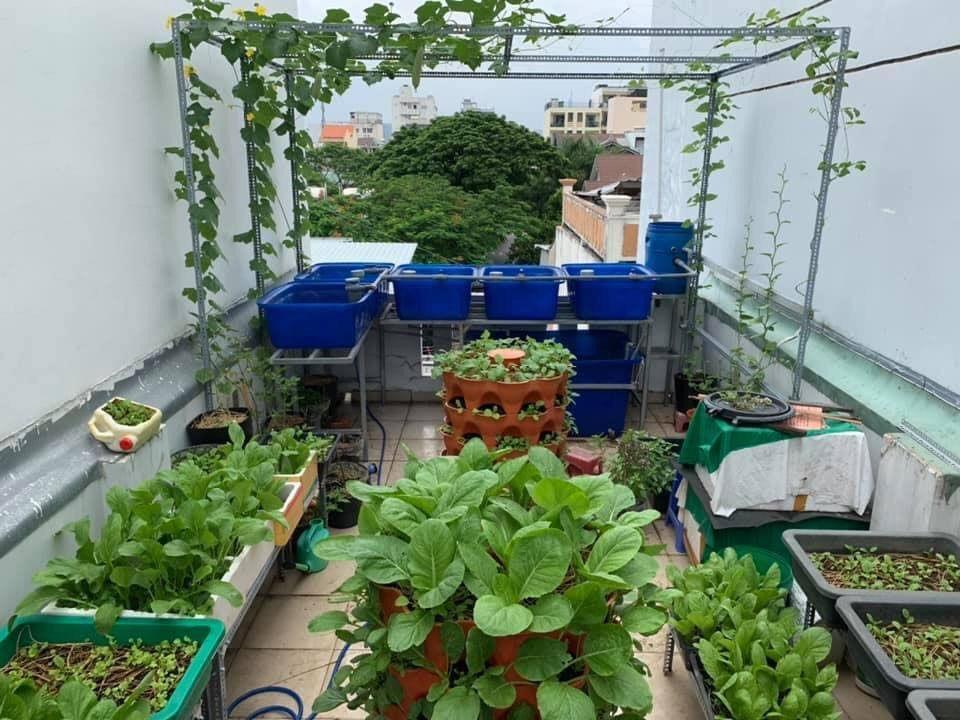
Introduction Looking for a complete Roof Gardening Guide? Roof gardening is an easy way to transform unused rooftop space into a productive rooftop garden. This Roof Gardening Guide covers the essentials, from choosing the right plants and soil to watering and maintaining a healthy roof garden. Roof Gardening Guide: Benefits of Roof Gardening A well-planned rooftop garden offers many benefits for your home, health, and the environment. This Roof Gardening Guide highlights why more people are choosing roof gardening and rooftop gardening as a sustainable lifestyle. 1. Fresh Organic Food Grow fresh vegetables, herbs, and fruits at home, reducing your reliance on store-bought produce. 2. Keeps Your Home Cooler A roof garden helps absorb heat, lowering rooftop temperatures and making your home more comfortable during summer. 3. Improves Air Quality Plants in a rooftop garden absorb carbon dioxide, release oxygen, and help filter dust and pollutants. 4. Supports Health and Well-being Roof gardening is a relaxing hobby that reduces stress, promotes physical activity, and creates a peaceful outdoor space. 5. Makes Better Use of Space Turn an unused rooftop into a beautiful and productive rooftop garden for growing plants, vegetables, and flowers. Things to Consider Before Starting Before buying pots and plants, make sure your rooftop is suitable for gardening. Structural Strength Ensure your roof can safely support the additional weight of containers, soil, plants, and water. If necessary, consult a structural engineer. Waterproofing Proper waterproofing prevents water leakage that could damage the building. Sunlight Most vegetables require 6–8 hours of direct sunlight daily. Observe your rooftop to determine which areas receive the most sunlight. Drainage Good drainage is essential to prevent standing water, which can damage both plants and the roof. Essential Materials To build a successful rooftop garden, you’ll need: Pots or grow bags Quality garden soil Organic compost Coco peat Sand or perlite for drainage Watering can or hose Gardening gloves Hand trowel and pruning scissors Organic fertilizers Neem oil for natural pest control Roof Gardening Guide: Preparing the Perfect Soil Mix A healthy rooftop garden starts with the right soil mix. In this Roof Gardening Guide, you’ll learn that a balanced growing medium provides essential nutrients, retains moisture, and ensures proper drainage for stronger, healthier plants. A recommended mixture is: 40% garden soil 30% organic compost 20% coco peat 10% sand or perlite Mix all ingredients thoroughly before filling your containers. Best Plants for Beginners If you’re new to gardening, start with plants that are easy to grow. Vegetables Tomato Chili Eggplant Okra Spinach Lettuce Beans Herbs Mint Coriander Basil Curry leaves Flowers Marigold Rose Hibiscus Sunflower Petunia Growing a mix of vegetables and flowers also attracts beneficial pollinators like bees and butterflies. Watering Tips Proper watering is one of the most important aspects of roof gardening. Water plants early in the morning or late in the afternoon. Avoid watering during the hottest part of the day. Check soil moisture before watering. Ensure excess water drains out easily. Increase watering during summer and reduce it during rainy or winter seasons. Remember that overwatering is just as harmful as underwatering. Fertilizing Your Garden Plants require nutrients throughout their growing cycle. For best results: Add organic compost every 15–20 days. Use liquid organic fertilizer once every two weeks. Apply vermicompost regularly. Avoid excessive use of chemical fertilizers. Organic fertilizers improve soil health and produce healthier vegetables. Roof Gardening Guide: Natural Pest and Disease Control Every rooftop garden may face pests and plant diseases, but many problems can be managed using natural methods. This Roof Gardening Guide recommends eco-friendly solutions like neem oil, proper plant care, and regular inspection to keep your roof garden healthy and productive. Some effective methods include: Spray diluted neem oil every two weeks. Remove infected leaves immediately. Keep the garden clean. Avoid overcrowding plants. Inspect plants regularly for insects. Healthy plants are naturally more resistant to diseases. Common Mistakes Beginners Should Avoid Many new gardeners make similar mistakes. Try to avoid: Watering too frequently Using poor-quality soil Planting large vegetables in small containers Ignoring drainage holes Applying too much fertilizer Growing sun-loving plants in shady areas Learning from these mistakes will help your garden thrive. Regular Maintenance A successful rooftop garden requires consistent care. Your weekly routine should include: Removing weeds Pruning dead leaves Checking for pests Adding compost when needed Cleaning containers Supporting climbing plants with stakes or trellises Just 20–30 minutes of maintenance each week can keep your rooftop garden healthy and productive. Safety Tips Since rooftop gardens are exposed to weather conditions, always follow basic safety measures: Secure tall pots against strong winds. Keep walkways clear. Do not overload one section of the roof. Store gardening tools safely. Ensure proper drainage after heavy rain. Safety is just as important as plant care. Conclusion Roof gardening is more than just a hobby—it is a sustainable lifestyle that benefits both people and the environment. Whether you have a small rooftop or a large terrace, you can create a beautiful green space that produces fresh food, enhances your home’s appearance, and improves your quality of life. Starting small is perfectly fine. With the right planning, quality soil, proper watering, and regular maintenance, your rooftop garden can flourish throughout the year. Every plant you grow contributes to a healthier environment and brings you one step closer to sustainable living. If you’ve been thinking about starting a rooftop garden, today is the perfect day to begin. Your rooftop has the potential to become your favorite place at home. Frequently Asked Questions (FAQs) Q1: How much sunlight does a rooftop garden need? Most plants in a rooftop garden require 6–8 hours of direct sunlight each day for healthy growth. Q2: Can I grow vegetables in a rooftop garden? Yes. This Roof Gardening Guide recommends beginner-friendly vegetables such as tomatoes, chilies, spinach, lettuce, eggplants, and herbs, which grow well in pots and grow bags. Q3: How often should I water a roof garden? Water your roof garden based on the weather and soil moisture. During summer, plants

Roof Gardening Guide Read More »

Istockphoto 1476086301 612x612 1

Culture of Bangladesh: A Rich Heritage of Unity and Diversity

Today, the world recognizes Bangladesh for its rich cultural identity.Culture of Bangladesh: A Rich Heritage of Unity and Diversity Bangladesh possesses a deeply rooted, vibrant, and diverse culture that has evolved over thousands of years through a rich history of coexistence and communal harmony. The bedrock of this cultural identity is the Bengali language; the historic struggle and supreme sacrifice made by its people to protect their mother tongue remains a unique event in world history, now globally honored as International Mother Language Day. Bangladeshi culture is beautifully reflected in its seasonal festivities, often described by the local proverb, “Thirteen festivals in twelve months.” Major religious and cultural celebrations like Pohela Boishakh (Bengali New Year) with its colorful Mangal Shobhajatra procession, Eid-ul-Fitr, Eid-ul-Adha, Durga Puja, Buddha Purnima, and Christmas are celebrated collectively, transcending religious boundaries. The country’s folk heritage is equally mesmerizing, with the mystical melodies of Baul, Bhatiali, and Bhawaiya songs capturing the deep-rooted essence of the land. Furthermore, Bangladesh’s traditional craftsmanship—such as the intricate artistry of Nakshi Kantha (embroidered quilts) and the world-renowned Jamdani and Muslin fabrics—stands as a testament to its artistic legacy. The culinary culture, defined by the classic love for “Maach-e-Bhaat” (fish and rice), alongside the celebration of winter pitha (rice cakes), mirrors the warm hospitality intrinsic to the Bangladeshi people. Despite rapid modernization, the soul of Bangladesh remains tethered to its rural roots, fairs, and timeless traditions, showcasing a profound unity in diversi   The Historical Significance of the Culture of Bangladesh Centuries of history have shaped the culture of Bangladesh, including ancient kingdoms, Mughal influence, and colonial rule. Each era has contributed to the development of language, traditions, and social values that define modern Bangladesh. The Language Movement of 1952 remains one of the most important historical events in Bangladesh, symbolizing cultural identity and national pride. Moreover, this movement not only shaped the nation’s identity but also gained international recognition when UNESCO declared 21st February as International Mother Language Day. In addition, it strengthened the foundation of linguistic and cultural awareness across the country. Religious Harmony and Social Unity in the Culture of Bangladesh One of the most unique aspects of culture of Bangladesh is religious harmony. People of different faiths—Islam, Hinduism, Buddhism, and Christianity—live together peacefully and celebrate each other’s festivals. Communities come together during national celebrations, participating in each other’s cultural events and promoting peace and mutual respect. Modern Influence on Traditional Culture of Bangladesh In recent years, globalization and urbanization have influenced Bangladeshi culture. Modern music, fashion, and digital media are blending with traditional values. Despite this modernization, people still maintain strong connections to their roots through festivals, traditional food, and folk art. Preserving the culture of Bangladesh is essential for future generations. Educational institutions, cultural organizations, and government initiatives play an important role in protecting heritage sites, traditional crafts, and indigenous music. Without effective preservation, many valuable elements of Bangladesh’s culture may gradually disappear. Bangladesh in the Global Cultural Map Today, the world recognizes Bangladesh for its rich cultural identity.From UNESCO-listed heritage elements to international cultural festivals, the country continues to showcase its traditions to the world. This global recognition helps promote tourism, cultural exchange, and national pride. Final Reflection Bangladesh’s cultural identity is not only a reflection of its past but also a living, evolving heritage. It represents unity, diversity, and resilience, making it one of the most vibrant societies in South Asia.  

Culture of Bangladesh: A Rich Heritage of Unity and Diversity Read More »

The Lifeline of Our Planet

Nature is the foundation of life on Earth. From the vast blue skies above us to the green forests that cover the land, nature surrounds us with beauty, balance, and harmony. It provides everything we need to survive—air to breathe, water to drink, food to eat, and a place to call home. Trees play a vital role in maintaining the balance of nature. They absorb carbon dioxide and release oxygen, making life possible for humans and animals alike. Rivers and oceans regulate the climate and support countless forms of life. Mountains, deserts, forests, and plains each contribute uniquely to the planet’s ecosystem. Beyond its physical benefits, nature has a deep impact on human well-being. Spending time in natural surroundings reduces stress, improves mental health, and brings inner peace. A walk through a forest, the sound of flowing water, or the sight of a sunrise can calm the mind and refresh the soul in ways modern life often cannot. However, nature is under serious threat due to pollution, deforestation, climate change, and uncontrolled industrialization. Human activities have disrupted natural systems, leading to global warming, loss of wildlife, and natural disasters. If this destruction continues, future generations may be deprived of nature’s priceless gifts. Protecting nature is not a choice—it is a responsibility. We must plant more trees, reduce pollution, conserve water, and use natural resources wisely. Small actions taken by individuals can create a big impact when done collectively. In conclusion, nature is not separate from us; it is a part of who we are. By respecting and protecting nature, we ensure a healthier, more sustainable future for ourselves and the generations to come.

The Lifeline of Our Planet Read More »

MSR Blogs – Fresh Perspectives on Tech, Lifestyle, and More — it features posts on topics like daily wishes (e.g., anniversary, birthday, wedding wishes), reviews, and content about bikes, cars, laptops, and accessories.

Popular Procedures

Breast Augmentation

Mommy Makeover

Eyelid Surgery

Skin Care Treatment

Useful Links

Free Consultation

Customer Support

Terms and Conditions

Privacy Policy

Contact

© 2026 Created by Sajedur Rahman