
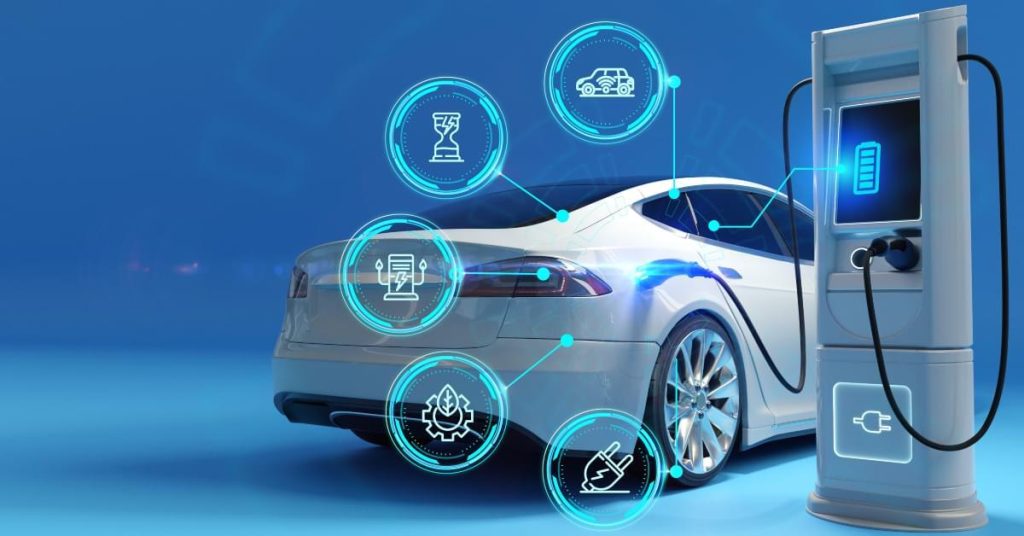
What are Electric Vehicles?
Electric vehicles are a modern form of transportation powered by electricity instead of traditional fuels like petrol or diesel. It uses an electric motor and rechargeable batteries to operate, making it a cleaner and more efficient alternative to conventional vehicles. As global concerns about pollution and climate change grow, this technology is becoming increasingly popular across the world. The expansion of EV charging stations is also playing a crucial role in supporting this growth, making it easier for users to charge their vehicles conveniently at home, workplaces, and public locations.
Unlike internal combustion engine vehicles, which burn fuel to generate power, these vehicles rely on stored electrical energy. This simple yet powerful shift reduces harmful emissions and offers a smoother driving experience, while access to reliable charging infrastructure further enhances their practicality for everyday use.
How Does It Work?
At its core, an electric vehicle functions using three main components:
- Battery Pack: Stores electrical energy needed to power the motor.
- Electric Motor: Converts electricity into mechanical energy to move the vehicle.
- Controller: Regulates the flow of electricity from the battery to the motor.
When the driver presses the accelerator, electricity flows from the battery to the motor, creating motion. Additionally, many models use regenerative braking, a system that recovers energy when slowing down and sends it back to the battery.
Electric Vehicles Types
There are several types available today, each designed to meet different needs:
1. Battery Electric Vehicle (BEV)
These run entirely on electricity and do not have a fuel engine. They must be charged regularly using a power source.
2. Hybrid Electric Vehicle (HEV)
These combine a traditional engine with an electric motor. The battery is charged through the engine and braking system rather than external charging.
3. Plug-in Hybrid Electric Vehicle (PHEV)
These have both an electric motor and a fuel engine but can be charged externally. They can run on electricity for shorter distances before switching to fuel.
Key Benefits
1. Environmentally Friendly
One of the biggest advantages is reduced emissions. Since they don’t burn fuel directly, they help lower air pollution and greenhouse gases.
2. Cost-Effective Electric Vehicles
Although the initial price may be higher, running costs are significantly lower. Electricity is generally cheaper than fuel, and maintenance costs are reduced due to fewer moving parts.
3.Quiet Operation of Electric Vehicles
These vehicles are much quieter compared to traditional ones, contributing to less noise pollution.
4. Energy Efficiency
Electric motors are more efficient than internal combustion engines, meaning more energy is used to actually move the vehicle rather than being wasted as heat.
Charging Methods of Electric Vehicles
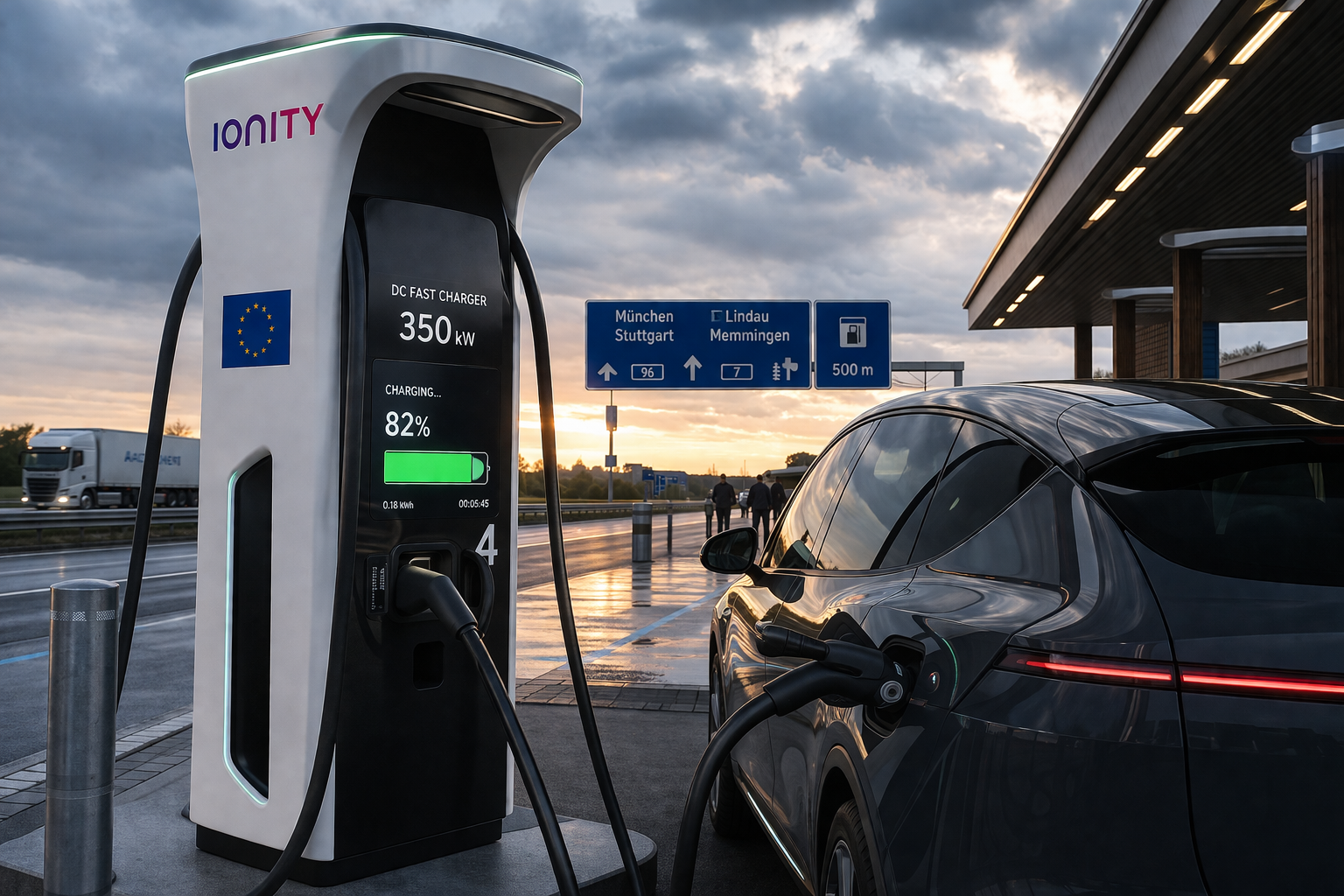
Charging is a crucial aspect of using this type of transportation. There are three main charging options:
- Home Charging: Using a standard wall outlet or a dedicated home charger.
- Public Charging Stations: Available in cities, highways, and commercial areas.
- Fast Charging: Provides rapid charging, often reaching 80% battery in under an hour.
Charging infrastructure is expanding globally, making it more convenient for users.
Challenges and Limitations
While the technology offers many benefits, there are still some challenges:
1. Limited Range
Some models cannot travel as far as fuel-powered vehicles on a single charge, although this is improving rapidly.
2. Charging Time
Charging takes longer compared to refueling with petrol or diesel.
3. Initial Cost
The upfront cost can be higher, although government incentives and long-term savings help offset this.
4. Infrastructure
In some regions, charging stations are still limited, making long-distance travel more difficult.
Future of Electric Vehicles Mobility
The future of transportation is closely tied to the growth of electric vehicle technology. Governments worldwide are introducing policies to reduce carbon emissions, encouraging people to adopt cleaner alternatives. Many major automobile manufacturers are investing heavily in research and development to improve battery performance, reduce costs, and extend driving range.
Advancements such as solid-state batteries, wireless charging, and improved energy storage systems are expected to make these vehicles even more efficient and accessible. As renewable energy sources like solar and wind become more widespread, charging these vehicles will become even more sustainable.
Why It Matters Today
The shift toward electric vehicles adoption is not just a trend—it’s a necessary step toward a sustainable future. Transportation is one of the largest contributors to global pollution, and switching to cleaner options can significantly reduce environmental impact.
Consumers are also becoming more aware of their carbon footprint, leading to increased demand for eco-friendly solutions. Businesses and governments are responding by building infrastructure, offering incentives, and promoting awareness.
Conclusion
An electric vehicles represents a major innovation in the way we think about transportation. By using electricity instead of fossil fuels, it offers a cleaner, quieter, and more efficient alternative for modern mobility. While there are still challenges to overcome, ongoing advancements and growing global support indicate a promising future.
As technology continues to evolve, adopting this form of transport will likely become the norm rather than the exception. Whether for environmental reasons, cost savings, or performance benefits, the transition to electric-powered mobility is well underway—and it’s here to stay.