health

health 1

Start Your Healthy Journey Today | Healthy Lifestyle Tips

  Start Your Healthy Journey  is one of the best decisions you can make for yourself. Good health is not only about staying free from illness; it is about having more energy, maintaining a positive mindset, and enjoying a better quality of life. You do not need to make major changes overnight. Small and consistent steps can create lasting results. Begin by choosing nutritious foods that provide your body with essential vitamins, minerals, protein, fiber, and healthy fats. Include more fresh fruits, vegetables, whole grains, and balanced meals in your daily routine. Staying properly hydrated is also important for supporting your body and keeping you active throughout the day. Regular physical activity is another important part of a healthy lifestyle. Walking, stretching, cycling, jogging, or other enjoyable exercises can help improve fitness, strength, and overall well-being. Try to stay active regularly and choose activities that you can maintain comfortably as part of your routine. Never forget the importance of quality sleep and mental well-being. Getting enough rest allows your body and mind to recover. Managing stress through relaxation, hobbies, meditation, or spending time with loved ones can also support a healthier lifestyle. Regular health checkups are equally important. They can help you understand your health status and encourage you to take action when necessary. If you have specific health concerns, always seek advice from a qualified healthcare professional information. Remember, a healthy lifestyle is a long-term journey, not a quick goal. Be patient with yourself, stay consistent, and celebrate every positive change. Every healthy meal, every active day, every good night’s sleep, and every positive choice brings you one step closer to a healthier and happier life. Start Your Healthy Journey Today and make your well-being a priority. Your future self will thank you for the healthy choices you make today.  

Start Your Healthy Journey Today | Healthy Lifestyle Tips Read More »

gemini generated image ie2hf4ie2hf4ie2h

Natural Ways to Heal: Simple Tips for Better Health

Natural ways to heal can support your overall health and help your body recover naturally. While medical treatment is important for serious health problems, simple healthy habits can play an important role in maintaining wellness. One of the easiest natural ways to heal is eating a balanced diet. Include fresh fruits, vegetables, whole grains, protein-rich foods, and healthy fats in your daily meals. These foods provide essential nutrients that support normal body functions. Staying hydrated is also important. Drinking enough water throughout the day helps your body function properly and supports overall well-being. Regular physical activity is another effective way to support your health. Walking, stretching, yoga, or other moderate exercises can improve circulation, strength, and energy levels. Getting enough quality sleep is equally important. Your body uses sleep time to rest and recover, so maintaining a consistent sleep schedule can support your natural recovery processes. Finally, managing stress can contribute to better overall health. Meditation, deep breathing, spending time outdoors, and relaxing hobbies can help create a healthier daily routine. These natural ways to heal are simple habits that can support general wellness. However, they should not replace professional medical advice or treatment when you are sick or experiencing persistent symptoms. Our body has a natural ability to recover, repair, and maintain itself. While medical treatment is essential for many illnesses and health conditions, adopting healthy daily habits can support the body’s natural recovery process. There are several natural ways to heal that focus on nutrition, sleep, physical activity, hydration, stress management, and overall wellness. Natural healing does not mean avoiding doctors or prescribed treatments. Instead, it means supporting your general health through safe and healthy lifestyle choices. Here are some simple and practical habits that can help you maintain a healthier lifestyle. Eat a Balanced and Nutritious Diet One of the most important natural ways to heal is maintaining a balanced diet. Your body needs a variety of nutrients to function properly and support normal recovery processes. Try to include vegetables, fruits, whole grains, beans, nuts, seeds, and healthy sources of protein in your meals. Colorful fruits and vegetables provide vitamins, minerals, fiber, and other beneficial nutrients. Highly processed foods, excessive added sugar, and unhealthy fats should be limited. Instead, focus on fresh and minimally processed foods whenever possible. A healthy diet does not have to be complicated. Simple meals made with fresh ingredients can provide your body with the nutrients it needs for everyday wellness. Stay Properly Hydrated: Natural Ways to Heal Water plays an important role in many functions of the human body. Staying hydrated can support digestion, circulation, temperature regulation, and normal physical performance. Make water your primary beverage throughout the day. Your fluid needs can vary depending on factors such as activity level, weather, and individual health needs. If you exercise or spend a lot of time outdoors in hot weather, you may need additional fluids. Fruits and vegetables with high water content can also contribute to your overall fluid intake. Proper hydration is a simple habit that can become an important part of your daily health routine. Get Enough Quality Sleep Sleep is another important part of healthy living. During sleep, the body gets time to rest and carry out important maintenance processes. Adults generally benefit from getting adequate, consistent sleep each night. Going to bed and waking up at similar times can help establish a regular sleep routine. To improve your sleep environment, keep your bedroom comfortable, reduce unnecessary noise and light, and avoid excessive screen use before bedtime. Getting enough quality sleep can support energy, concentration, mood, and overall well-being. For this reason, improving your sleep routine is one of the most practical natural ways to heal and recover. Stay Physically Active Regular physical activity can support your overall health and fitness. You do not necessarily need an intense workout every day. Simple activities such as walking, stretching, cycling, swimming, or yoga can be useful ways to stay active. Try to choose activities that you enjoy so that exercise becomes a sustainable part of your lifestyle. Physical activity can support cardiovascular health, muscle strength, flexibility, mobility, and mental well-being. If you have been inactive for a long time, start gradually and increase your activity according to your ability. Manage Stress Naturally Long-term stress can affect your overall well-being. Finding healthy ways to manage everyday stress is therefore an important part of maintaining a balanced lifestyle. Deep breathing exercises, meditation, gentle stretching, reading, listening to relaxing music, spending time outdoors, and engaging in hobbies can help you relax. Social connection can also be valuable. Talking with trusted friends or family members can provide emotional support during stressful periods. Creating a daily routine that includes time for relaxation can make it easier to manage normal life pressures. Spend Time in Nature Spending time outdoors can be a simple addition to a healthy lifestyle. Walking in a park, gardening, or simply enjoying fresh air can provide an opportunity to move your body and take a break from screens and busy routines. Combining outdoor time with physical activity can make the habit even more beneficial for your overall wellness. You do not need to spend hours outdoors. Even short periods of relaxing activity outside can become part of a balanced daily routine. Avoid Harmful Lifestyle Habits Healthy healing also involves reducing habits that may negatively affect your health. Smoking, excessive alcohol consumption, poor dietary choices, physical inactivity, and chronic sleep deprivation can all work against a healthy lifestyle. Replacing unhealthy habits with small, realistic changes is often easier than trying to change everything at once. For example, you could begin by drinking more water, adding an extra serving of vegetables to your meals, walking for a few minutes each day, or establishing a consistent bedtime. Small improvements made consistently can contribute to better long-term habits. Listen to Your Body Everyone’s health needs are different. Paying attention to changes in your body can help you recognize when something may require professional attention. Do not rely

Natural Ways to Heal: Simple Tips for Better Health Read More »

Regular Exercise

Regular Exercise: A Complete Guide to Better Health and Fitness

Regular Exercise is one of the most effective ways to improve your overall health and fitness. Whether you want to lose weight, build muscle, increase energy, or improve your mental well-being, regular exercise can help you achieve your goals. Making regular exercise a daily habit reduces the risk of chronic diseases, strengthens your body, and supports a healthier lifestyle. Why Regular Exercise Is Important Many people believe that exercise is only necessary for athletes or those who want to lose weight. In reality, regular exercise is essential for everyone, regardless of age or fitness level. It helps maintain a healthy body, supports mental health, and improves daily performance. Some of the major benefits include: Improves cardiovascular health Strengthens muscles and bones Helps maintain a healthy weight Boosts energy levels Improves flexibility and balance Supports better sleep quality Reduces stress and anxiety Enhances overall well-being Even just 30 minutes of moderate physical activity most days of the week can make a significant difference. Physical Benefits of Regular Exercise One of the biggest advantages of regular exercise is its positive impact on physical health. Your body becomes stronger, more flexible, and more resistant to illness over time. Improves Heart Health Regular physical activity strengthens the heart muscle and improves blood circulation. Better circulation helps deliver oxygen and nutrients throughout the body while reducing the risk of heart disease, stroke, and high blood pressure. Walking, jogging, cycling, swimming, and aerobic workouts are all excellent choices for improving cardiovascular health. Helps Maintain a Healthy Weight Burning calories through exercise makes it easier to maintain or lose weight. Combined with a balanced diet, regular exercise helps reduce body fat while preserving lean muscle mass. Strength training also increases metabolism, allowing your body to burn more calories even while resting. Builds Strong Muscles and Bones Weight training and resistance exercises strengthen muscles and increase bone density. This reduces the risk of osteoporosis and muscle loss as you age. Activities such as squats, push-ups, lunges, and lifting weights improve both strength and endurance. Mental Health Benefits of Regular Exercise The benefits of regular exercise go beyond physical fitness. It also has a powerful impact on mental and emotional health. Reduces Stress and Anxiety Exercise stimulates the release of endorphins, often called “feel-good hormones.” These natural chemicals help reduce stress, improve mood, and create a sense of relaxation. Even a short walk outdoors or a light workout can lower anxiety levels after a busy day. Improves Mood and Confidence People who engage in regular exercise often experience higher self-esteem and greater confidence. Achieving fitness goals, no matter how small, creates a sense of accomplishment and motivates you to continue living a healthier lifestyle. Exercise also helps reduce symptoms of depression by promoting positive brain activity. How to Start a Regular Exercise Routine Starting a regular exercise routine doesn’t have to be complicated. The key is consistency rather than intensity. If you’re new to fitness, begin with simple activities and gradually increase the duration and difficulty. Set Realistic Fitness Goals Choose goals that are achievable and measurable. For example, aim to walk for 30 minutes five days a week or complete three strength-training sessions weekly. Small achievements build confidence and make it easier to stay committed. Choose Activities You Enjoy You’ll be more likely to stick with regular exercise if you enjoy what you’re doing. Walking, jogging, cycling, swimming, dancing, yoga, and gym workouts are all effective options. Mixing different activities also prevents boredom and keeps your workouts interesting. Stay Consistent Consistency is the foundation of long-term fitness. Create a weekly schedule and treat your workout like any other important appointment. Missing one day isn’t a problem, but returning to your routine quickly is essential. Common Mistakes to Avoid During Regular Exercise While exercising offers countless benefits, avoiding common mistakes helps you stay safe and achieve better results. Skipping Warm-Up and Cool-Down Always warm up before exercising to prepare your muscles and reduce the risk of injury. After your , spend a few minutes cooling down and stretching to improve flexibility and support muscle recovery. Overtraining Doing too much too soon can lead to fatigue, injuries, and burnout. Give your body enough time to recover, especially after intense workouts. Rest days are just as important as training days. Ignoring Nutrition and Hydration Your body needs proper nutrition and enough water to perform at its best. Eat a balanced diet that includes lean protein, whole grains, healthy fats, fruits, and vegetables. Drink water before, during, and after exercise to stay hydrated. Conclusion Making regular exercise a part of your daily life is one of the best investments you can make in your health. It strengthens your heart, muscles, and bones while improving mental well-being, energy levels, and overall quality of life. You don’t need expensive equipment or long workout sessions to experience the benefits. Even simple daily activities such as walking or cycling can make a significant difference over time. Remember that lasting results come from consistency, patience, and healthy lifestyle choices. Start small, stay motivated, and gradually build a routine that fits your schedule. With dedication, regular exercise can help you live a healthier, happier, and more active life. Frequently Asked Questions (FAQ) How much regular exercise should adults get each week? Most adults should aim for at least 150 minutes of moderate-intensity exercise or 75 minutes of vigorous activity each week, along with muscle-strengthening exercises at least two days per week. Can regular exercise help with weight loss? Yes. Regular exercise, when combined with a healthy and balanced diet, helps burn calories, increase metabolism, and support long-term weight management. Is walking considered regular exercise? Absolutely. Brisk walking is one of the easiest and most effective forms of regular exercise. It improves heart health, boosts endurance, and is suitable for people of all fitness levels. What is the best time to exercise? There is no single best time. The ideal time is whenever you can stay consistent, whether it’s morning, afternoon, or evening.

Regular Exercise: A Complete Guide to Better Health and Fitness Read More »

Autism Presentation about Autism Spectrum Disorder awareness and education

Autism Presentation: A Complete Guide to Autism Spectrum Disorder

Autism Spectrum Disorder (ASD) is a neurodevelopmental condition that affects communication, social interaction, and behavior. An effective Autism Presentation helps students, teachers, healthcare professionals, and parents understand autism, recognize its early signs, and learn practical ways to provide support. This guide explains the key topics you can include in an Autism Presentation while also offering reliable information about ASD. What is Autism Spectrum Disorder? An Autism Presentation is an educational resource designed to explain Autism Spectrum Disorder in a clear and engaging way. It may be used in schools, universities, hospitals, workplaces, or community awareness programs. A well-structured presentation usually covers: Definition of Autism Spectrum Disorder (ASD) Common signs and symptoms Causes and risk factors Diagnosis process Treatment and therapies Educational and family support Autism awareness and inclusion Understanding Autism Spectrum Disorder (ASD) What Is Autism Spectrum Disorder? Autism Spectrum Disorder (ASD) is a lifelong developmental condition that affects how a person communicates, interacts with others, and experiences the world. The word “spectrum” means that autism varies widely from one individual to another. Some people need significant daily support, while others live independently. Who Can Be Affected? Autism can occur in people of all backgrounds, regardless of gender, ethnicity, or nationality. Many signs appear during early childhood, although some individuals are diagnosed later in life. Common Signs and Symptoms of Autism An Autism Presentation should explain the common signs clearly. Social Communication Differences Limited eye contact Difficulty understanding social cues Challenges starting or maintaining conversations Preferring solitary activities Behavioral Characteristics Repetitive movements or behaviors Strong preference for routines Highly focused interests Sensitivity to sounds, lights, textures, or smells Not every autistic person has the same characteristics, and abilities vary from person to person. What Causes Autism? Researchers believe autism develops through a combination of genetic and environmental factors. There is no single known cause. Possible contributing factors include: Genetic influences Differences in early brain development Certain prenatal or pregnancy-related factors There is no scientific evidence that routine childhood vaccines cause autism. How Is Autism Diagnosed? Early diagnosis can help children and families access appropriate support. Healthcare professionals may use: Developmental screening Behavioral observations Parent interviews Standardized diagnostic assessments If parents notice developmental concerns, they should consult a qualified healthcare professional for evaluation. Treatment and Support for Autism There is no cure for autism, but many interventions can improve communication, learning, and daily living skills. Early Intervention Early support often leads to better developmental outcomes. Speech and Language Therapy Helps improve communication skills. Occupational Therapy Supports daily living skills and sensory processing. Behavioral Therapy Can help develop social, communication, and adaptive skills based on individual needs. Educational Support Inclusive classrooms, individualized teaching strategies, and appropriate accommodations can help autistic students succeed. Why Autism Awareness Matters An informative Autism Presentation promotes understanding rather than stereotypes. Increased awareness can help create supportive schools, workplaces, and communities. Benefits include: Reducing stigma Encouraging early diagnosis Supporting inclusive education Improving acceptance Helping families access resources Professional ASD Presentation Template When preparing your presentation: Use simple, respectful language. Include clear diagrams or charts. Focus on evidence-based information. Avoid myths and stereotypes. Use real-life examples where appropriate. End with key takeaways and helpful resources. Conclusion An effective Autism Presentation provides accurate information about Autism Spectrum Disorder while encouraging understanding, inclusion, and respect. Whether your audience consists of students, teachers, healthcare professionals, or parents, presenting reliable information can improve awareness and help create a more inclusive society for autistic individuals. Frequently Asked Questions What is Autism Spectrum Disorder? Autism Spectrum Disorder (ASD) is a developmental condition that affects communication, social interaction, and behavior. Can autism be cured? Autism is a lifelong condition. However, therapies and support can help individuals develop important skills and improve quality of life. What are the early signs of autism? Common early signs include differences in communication, limited eye contact, repetitive behaviors, and sensitivity to sensory input. Why is autism awareness important? Awareness promotes acceptance, encourages early support, and helps create inclusive communities for autistic individuals.

Autism Presentation: A Complete Guide to Autism Spectrum Disorder Read More »

Fit Imege 1 1024x683

Fitness and Health Gyms in Uttara: Your Complete Guide to a Healthier Lifestyle

Personal Training at Health and Fitness Centers in Uttara Looking for the best fitness and health gyms in Uttara? Whether your goal is weight loss, muscle building, improved endurance, or simply maintaining a healthy lifestyle, Uttara offers a wide range of fitness centers in Uttara and health clubs in Uttara that cater to every fitness level. From state-of-the-art equipment and certified personal trainers to flexible membership plans, you can easily find a gym that matches your fitness goals, lifestyle, and budget. Choosing the right gym is one of the most important decisions in your fitness journey. A good gym not only provides quality equipment but also creates a motivating environment that helps you stay consistent. Why Choose Features of the Best Benefits of Joining a Fitness Center in Uttara The increasing focus on health and wellness has led to the rapid growth of Fitness and Health Gyms in Uttara, along with modern fitness centers in Uttara and well-equipped health clubs in Uttara. These facilities offer advanced workout equipment, certified personal trainers, flexible membership plans, and a supportive environment for people of all fitness levels. Benefits include: Professional fitness trainers Modern cardio and strength training equipment Personalized workout and training programs Group fitness and exercise classes Clean, safe, and hygienic facilities Flexible and affordable membership packages Many gyms also provide customized fitness plans and nutrition guidance to help members achieve their health and fitness goals more effectively while maintaining long-term results. Flexible Membership Plans at Health Clubs in Uttara Why Choose Fitness and Health Gyms in Uttara? Certified Trainers Experienced trainers ensure proper exercise techniques, reducing the risk of injury while maximizing your workout results. Quality Equipment A good fitness center should include treadmills, rowing machines, free weights, resistance machines, and functional training equipment. Hygiene and Safety Clean workout spaces, sanitized equipment, proper ventilation, and locker facilities contribute to a comfortable fitness experience. Flexible Membership Options Most health clubs offer monthly, quarterly, and yearly membership plans. Choose the one that best fits your schedule and budget. Popular Workout Programs Available Most fitness and health gyms in Uttara provide a wide range of workout programs suitable for beginners and advanced members. Strength Training Ideal for building muscle mass, improving strength, and increasing metabolism. Cardio Training Activities such as treadmill running, cycling, and rowing improve heart health and help burn calories effectively. Weight Loss Programs Many gyms offer personalized nutrition advice along with structured exercise routines to accelerate fat loss. Group Fitness Classes Popular classes include: Yoga Zumba HIIT Aerobics Functional Training These classes make workouts more enjoyable while improving overall fitness. Benefits of Joining a Gym Regular exercise at one of the fitness and health gyms in Uttara offers numerous physical and mental health benefits. Some key advantages include: Better cardiovascular health Increased muscle strength Improved flexibility Reduced stress and anxiety Better sleep quality Higher energy levels Improved body posture Greater self-confidence Consistent workouts combined with healthy eating create long-term wellness. Tips for Choosing the Right Gym Finding the right Professional Why Choose Fitness and Health Gyms in Uttara? requires careful consideration. Here are a few helpful tips: Visit the gym before joining. Compare membership fees. Check trainer qualifications. Read customer reviews. Inspect equipment quality. Consider location and parking. Ask about trial memberships. These factors can help you make an informed decision. Conclusion The best Modern Workout Area at Modern Workout Area at Fitness and Health Gyms in Uttara combine experienced trainers, modern equipment, flexible memberships, and supportive environments. Whether you’re a beginner or an experienced fitness enthusiast, selecting the right gym, fitness center, or health club can significantly improve your overall health and lifestyle. Start your fitness journey today and invest in a healthier future with consistent exercise and professional guidance.

Fitness and Health Gyms in Uttara: Your Complete Guide to a Healthier Lifestyle Read More »

Muscle Gain Protein Powder

Best Muscle Gain Protein Powder for Strength and Recovery

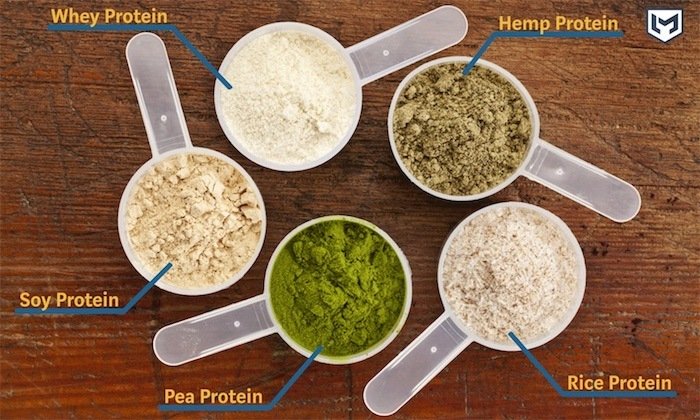
Muscle Gain Protein Powder – Complete Guide  Muscle building requires discipline, proper workouts, and an appropriate nutritional approach. While many people engage in regular exercise sessions, the lack of sufficient protein intake may prevent one from achieving his or her goals. In such situations, protein supplements, specifically muscle gain protein powder, become very useful. Good quality protein powder is effective when it comes to muscle recovery and gaining lean muscles. Regardless of whether someone is at the beginning stage or is an experienced person, it would be reasonable to find out which protein powder is better to choose. As there is a wide variety of products, it will be necessary to get information on how these powders work and how to consume them properly. What Is Muscle Gain Protein Powder? The protein powder is a supplement that aims at increasing your daily intake of proteins. Proteins are necessary nutrients required by the body for regenerating muscles damaged from workout sessions. Small tears develop in the muscles during workout sessions. The most common ingredients in muscle gain protein powders include whey protein, casein protein, soy protein, or proteins sourced from plants. Most formulas of muscle gain proteins may also include other ingredients such as amino acids, minerals, vitamins, and carbs. Muscle gain protein powders can be consumed any time of the day; however, many people tend to consume them after workout sessions. The reason behind this is that the body is capable of absorbing nutrients faster immediately after working out. Advantages of Using Muscle Gain Protein Powder Aids Muscle Recovery Post-workout nutrition is critical to ensuring proper recovery. The amino acids provided by muscle gain protein powder play an essential role in repairing torn muscle tissue. Proper recovery leads to improved workout consistency and effectiveness. Building Lean Muscle Mass The most significant benefit of protein powder is its capability to promote lean muscle mass formation. Together with physical exercise, enough consumption of protein can lead to improved muscle building and power. Easily Consumed and Practical It is not always easy to have high-protein meals prepared regularly. Muscle gain protein powder provides an easy way out. All it takes is a quick shake, and your body will get the necessary protein in no time. Types of Protein Powder  Whey Protein  Some protein powders have added nutrients such as creatine and branched chain amino acids. These nutrients may assist in enhancing endurance, strength, and intensity during workouts. Casein Protein  People who work out regularly require higher amounts of protein compared to regular people. Muscle gain protein powder enables one to attain their nutritional needs easily without eating large quantities of food. Vegetarian Protein Vegetarian protein powder is ideal for vegan consumers or those sensitive to dairy proteins. Sources can be from pea protein, brown rice protein, or hemp protein. Mass Gainer Protein Gainers include both protein and higher amounts of carbohydrates and calories. The use of mass gainers is common among people who find it difficult to increase their weight or mass. How to Choose the Right Protein Powder  When choosing your supplement, consider your fitness goals and personal preferences and make sure that you are able to afford it. Here are several crucial factors to pay attention to when picking the best protein powder. Protein Concentration Preferable protein powder should have at least 20 to 30 grams of protein per single portion. The higher the concentration of protein, the better it can promote the process of muscle development. Ingredients and Additives It is better to choose protein powders with healthy ingredients and without any chemicals. Do not choose protein powder high in sugar content or full of useless additives. Digestion People who have problems with digesting dairy-based protein powders should opt for alternative products. Quality Control Reputable manufacturers conduct third-party tests of their protein supplements to check their quality. Matching Your Needs There are different protein powders designed to achieve specific objectives – from the formation of lean muscles to gaining body weight. Best Time to Take Timing might affect the effectiveness of your supplementation. Post-Workout Time The majority of people take muscle gain protein supplements during the hour post-exercise. It helps in replenishing nutrient loss and aids in muscle regeneration. In the Morning As you have had several hours of sleep by morning, your body needs a protein-filled meal. Adding muscle gain protein powder to your oatmeal and smoothies will help increase your protein intake early in the day. Before Sleep A protein powder made of casein is often taken before sleeping at night since it is slow-digesting and offers overnight benefits to muscles. Between Meals Protein supplements can be consumed in-between meals too to inhibit muscle catabolism and curb hunger pangs. Components Commonly Present in Muscle Building Protein Supplements Branched Chain Amino Acids (BCAA) BCAAs refer to amino acids which play an important role in muscle recovery and fatigue prevention during workouts. Creatine: Creatine is the most commonly present component in supplements meant for improving muscle mass and workout efficiency. Most muscle gain protein powders contain creatine as well. Glutamine: Glutamine might help with muscle building and improve one’s immune system. Vitamins & Minerals: Supplements also contain vitamins and minerals for general wellbeing and energy production. Mistakes That You Must Never Make While Consuming Muscle Gain Protein Powder Relying Solely On Protein Powder Your protein powder must compliment your diet, but you can never replace nutritious food like meat, fish, egg, and vegetables. Consuming Excess Protein Powder Without Care About Overall Calorie Intake Calorie is a basic requirement when growing muscle mass regardless of your protein consumption. Overconsumption of Protein Powder Consuming too much protein powder is counterproductive and does not lead to muscle development. Avoiding Exercises Exercise and training are mandatory for building muscles regardless of your protein intake. Homemade Shake Ideas Using Muscle Gain Protein Powder  You need muscle gain protein powder, oats, milk, peanut butter, and a banana to make this protein shake. Muscle Growth Smoothie Recipe You only need berries, spinach, almond milk, Greek yogurt,

Best Muscle Gain Protein Powder for Strength and Recovery Read More »

Healthy Eating Habits for Conscious individualities

Healthy Eating Habits for Conscious individualities

 In  moment’s  presto- paced world, maintaining a healthy  life can  feel  grueling , but embodying healthy eating habits is a  crucial  element of overall  heartiness. For those who are health-conscious, making  aware food choices can enhance both physical and  internal health.     ** Understanding Healthy Eating **       Healthy eating involves  further than just choosing the right foods; it means cultivating a  life that prioritizes nutrition. For conscious  individualities, this  frequently includes    ** Balanced Diet ** Incorporate a variety of foods from all food groups, including fruits, vegetables, whole grains,  spare proteins, and healthy fats. This guarantees the body receives essential nutrients  demanded for optimal functioning.    ** Aware Eating ** Pay attention to hunger cues and the enjoyment of food. Eating  sluggishly and savoring each bite can lead to lesser satisfaction and help avoid gorging.    ** Planning and Preparation ** Planning  refections ahead of time can  alleviate the temptation to  conclude for unhealthy convenience foods. Preparing  nutritional  refections in advance can save time and promote healthier choices throughout the week.    ** Hydration ** Staying doused  is essential. frequently, our bodies mistake thirst for hunger. Drinking  plenitude of water can  prop  in digestion, support metabolism, and ameliorate overall health.    ** Limit Processed Foods ** Cutting back on reused and  sticky foods can have significant health benefits. conclude for whole,  undressed foods whenever possible to ameliorate energy  situations and general well- being.    ** harkening to Your Body ** Everyone’s  nutritive  requirements are different. It’s important to  hear to your body and acclimate your diet grounded on your unique conditions and responses to different foods.     ** Making Sustainable Changes **     Creating sustainable healthy eating habits takes time and commitment. It can be helpful to start small,  similar as adding one serving of vegetables to each  mess or  switching  sticky snacks for healthier options like fruits or nuts. Gradationally incorporating these changes can lead to lasting habits that promote a healthier  life.     For those committed to cultivating a healthy relationship with food, embracing these eating habits is n’t just a diet; it’s a pathway to more health and overall well- being. Flash back, it’s not about perfection but making conscious choices that support your health and happiness.  nafisa batch 637

Healthy Eating Habits for Conscious individualities Read More »

Healthy food can guide healthy eating

  healthy, balanced diet—essential for preventing chronic diseases like heart disease and diabetes—should include a variety of whole grains, fruits, vegetables, legumes, and lean proteins . Modern, functional nutrition emphasizes eating a “rainbow” of colors for phytonutrients, while food technology is advancing with edible, sustainable coatings to reduce waste .   Key Trends in Food and Nutrition: Functional Foods: Foods are increasingly recognized for containing bioactive components that provide health benefits beyond basic nutrition, with the global market expanding rapidly. Eating the Rainbow: Consuming diverse, colorful plant foods provides varied phytonutrients (like carotenoids and flavonoids) that offer anti-inflammatory benefits and reduce disease risk. Sustainable Innovation: Edible coatings made from natural materials are being used to extend the shelf life of produce, such as avocados and bananas, reducing food waste. Cultural Significance: Food remains a central element of cultural identity, ritual, and social interaction, with traditions often defining dietary habits. Quick & Healthy Cooking: Modern recipes focus on speed and versatility, such as one-pan meals or quick seasonal soups, for healthy, fast-breaking, or daily eating.  Healthy Diet Fundamentals: Fruits and Vegetables: Aim for at least 400 grams daily (for adults). Nutrient Intake: Include legumes, nuts, and whole grains while reducing salt, sugar, and saturated fats. Safety & Variety: A balanced diet prevents malnutrition and should include a mix of staples (cereals, tubers), proteins (meat, fish, eggs), and dairy. 

Healthy food can guide healthy eating Read More »

Men's Mental Health

June is Men’s Mental Health Awareness Month

June is officially recognized as Men’s Mental Health Awareness Month, a month dedicated to shedding light on the mental health challenges faced by men and encouraging open dialogue about emotional well-being. For too long, societal expectations have placed a burden on men to appear strong, stoic, and self-reliant, leading many to suppress their emotions and struggles. This month is a call to action to break that silence, eliminate stigma, and foster an environment where men feel comfortable prioritizing their mental health. Why Men’s Mental Health Matters Mental health is just as important for men as it is for anyone else. However, studies show that men are less likely to seek help when they face mental health challenges. According to the National Institute of Mental Health (NIMH), men are often less open about feelings like sadness or stress, which can result in untreated mental health conditions such as depression, anxiety, and stress-related disorders. This is especially concerning considering that men are at a higher risk of suicide, with suicide rates being significantly higher in men than women. Men’s Mental Health Awareness Month aims to change the conversation and encourage men to seek support when needed, without fear of judgment. It’s essential to foster understanding that mental health struggles do not make anyone weak; in fact, seeking help takes strength. The Role of Society in Men’s Mental Health Traditionally, society has upheld certain norms about masculinity that discourage emotional vulnerability in men. Phrases like “man up” or “don’t cry” perpetuate the idea that men must be tough at all costs, even if it means ignoring their emotional needs. These social norms often prevent men from speaking out about their mental health struggles, leading to feelings of isolation, shame, and, in some cases, untreated conditions that worsen over time. Breaking these societal norms is at the heart of Men’s Mental Health Awareness Month. This month is a time to acknowledge the pressures men face and create a supportive environment where they can talk about mental health without fear of judgment. Common Mental Health Issues Among Men Several mental health issues disproportionately affect men, including: Depression: Men may not exhibit the same signs of depression as women. Instead of feeling sad or withdrawn, men might experience irritability, anger, or physical symptoms like headaches or digestive problems. Recognizing these signs is crucial in getting men the help they need. Anxiety: Anxiety disorders are common in men, but they often go unnoticed because men may not want to admit they are struggling. Work stress, financial issues, and relationship problems can all contribute to heightened anxiety. Suicide: As mentioned earlier, men are at a higher risk of suicide than women. This stark reality emphasizes the need to have open conversations about mental health and encourage men to seek help early. Substance Abuse: To cope with mental health struggles, some men may turn to alcohol or drugs, which can further exacerbate the problem. Recognizing the link between mental health issues and substance abuse is key to providing the right interventions. Post-Traumatic Stress Disorder (PTSD): Men, particularly those who serve in the military or work in high-risk jobs, are at a higher risk for PTSD. The trauma from combat, accidents, or violent incidents can leave lasting effects on mental health. How to Support Men’s Mental Health While raising awareness is vital, taking tangible steps to support men’s mental health is equally important. Here are a few ways you can make a difference: Encourage Open Conversations: Start conversations about mental health with the men in your life. Let them know that it’s okay to talk about their emotions and struggles, and that seeking help is a sign of strength, not weakness. Provide Resources: Ensure that men have access to mental health resources such as counseling, therapy, and crisis helplines. Share information about these resources to make seeking help easier. Challenge Gender Norms: Help challenge outdated norms that discourage men from expressing vulnerability. Encourage the men around you to embrace their emotions and show them that emotional well-being is important for everyone. Promote Healthy Habits: Encourage men to engage in activities that promote mental wellness, such as regular physical exercise, healthy eating, practicing mindfulness, and spending quality time with loved ones. Listen and Offer Support: Sometimes, all a person needs is someone to listen. Be supportive and non-judgmental if a man opens up about his mental health struggles. Your support can make all the difference. Men’s Mental Health: Breaking the Silence Starts Now This Men’s Mental Health Awareness Month, let’s raise our voices to break the silence surrounding men’s mental health. By increasing awareness, fostering conversations, and providing resources, we can create a world where men feel empowered to take control of their mental well-being. It’s time to challenge harmful stereotypes, normalize vulnerability, and encourage men to prioritize their mental health, not just in June, but every day of the year. Let’s all do our part to ensure that Men’s Mental Health Awareness Month is more than just a reminder—it’s the beginning of a lasting change in how we view and support men’s mental health.

June is Men’s Mental Health Awareness Month Read More »

The Importance of Good Health

Good health is the cornerstone of a fulfilling and successful life. It impacts every aspect of our well-being, from physical strength to mental clarity and emotional stability. Achieving and maintaining good health is not just about avoiding illness; it’s about cultivating habits that support a balanced and vibrant lifestyle. The Pillars of Good Health Good health is built on several key pillars that support each other, creating a foundation for a long, active life. These pillars include proper nutrition, regular physical activity, adequate rest, and mental well-being. 1. Nutrition: Fueling the Body What we eat directly impacts how our body functions. A balanced diet, rich in vitamins, minerals, and nutrients, is essential for maintaining energy levels, promoting healthy growth, and preventing chronic diseases. Eating a variety of foods, such as fruits, vegetables, lean proteins, whole grains, and healthy fats, helps support the body’s various systems, including the immune system, cardiovascular system, and digestive system. Incorporating nutrient-dense foods into your daily meals is important, but it’s also crucial to stay hydrated by drinking plenty of water. Avoiding excessive consumption of processed foods, sugary snacks, and unhealthy fats can go a long way in preventing obesity, diabetes, and heart disease. 2. Physical Activity: Keeping the Body Strong Regular physical activity is a critical component of good health. Exercise helps maintain a healthy weight, improves heart health, strengthens muscles and bones, and boosts energy levels. It also has a positive impact on mental health, reducing stress, anxiety, and depression. Engaging in at least 150 minutes of moderate-intensity aerobic exercise each week, such as brisk walking, cycling, or swimming, can significantly reduce the risk of chronic conditions like heart disease, type 2 diabetes, and certain cancers. Additionally, strength training exercises, such as weightlifting or bodyweight exercises, help build muscle mass and improve overall body strength. 3. Rest and Sleep: Restoring the Body Adequate sleep is essential for maintaining good health. Sleep allows the body to recover, repair damaged tissues, and restore energy. It also plays a crucial role in cognitive function, memory consolidation, and emotional regulation. Adults typically need 7-9 hours of sleep each night to function optimally. Chronic sleep deprivation can have serious consequences on both physical and mental health. It can lead to weakened immune function, increased stress levels, and a higher risk of developing conditions such as heart disease, obesity, and diabetes. Establishing a consistent sleep routine and creating a restful sleep environment are key to improving sleep quality. 4. Mental Well-Being: Nurturing the Mind Good health is not only about physical fitness; it also involves mental and emotional well-being. A positive mental state supports better decision-making, fosters strong relationships, and enhances overall quality of life. Managing stress, staying connected with loved ones, and engaging in activities that bring joy are all vital for mental health. Practices such as mindfulness meditation, deep breathing exercises, and journaling can help reduce stress and increase feelings of calm and contentment. Seeking professional support through therapy or counseling can also be beneficial for those struggling with mental health issues. 5. Preventive Care: Proactive Health Management Preventive care plays a key role in maintaining good health. Regular check-ups, screenings, and vaccinations help detect potential health issues early, before they become more serious problems. Preventive measures, such as wearing sunscreen, avoiding smoking, and practicing safe driving, also reduce the risk of developing health complications in the future. Staying up-to-date with routine health screenings, such as blood pressure checks, cholesterol tests, and cancer screenings, allows for early intervention, which can save lives and improve long-term health outcomes. The Role of Lifestyle Choices in Health In addition to the fundamental pillars of health, the choices we make on a daily basis play a significant role in our overall well-being. Managing stress, maintaining a healthy work-life balance, and avoiding harmful habits like smoking or excessive alcohol consumption can greatly impact our health. Building a strong support system of family and friends, prioritizing self-care, and making time for hobbies or activities that bring fulfillment are all important steps toward sustaining good health. Conclusion: Striving for Balance Good health is not a one-time goal but a continuous journey. It requires conscious effort and commitment to maintain a balanced lifestyle that supports both physical and mental well-being. By focusing on nutrition, physical activity, sleep, mental health, and preventive care, we can lay the foundation for a vibrant and fulfilling life. Remember, small changes can make a big difference. Incorporating healthy habits into daily life can lead to long-lasting benefits, enhancing not just your physical health but also your emotional and mental state. Prioritize your health today, and you’ll reap the rewards for years to come.

The Importance of Good Health Read More »

MSR Blogs – Fresh Perspectives on Tech, Lifestyle, and More — it features posts on topics like daily wishes (e.g., anniversary, birthday, wedding wishes), reviews, and content about bikes, cars, laptops, and accessories.

Popular Procedures

Breast Augmentation

Mommy Makeover

Eyelid Surgery

Skin Care Treatment

Useful Links

Free Consultation

Customer Support

Terms and Conditions

Privacy Policy

Contact

© 2026 Created by Sajedur Rahman