The Growing Need for EV Charging Stations
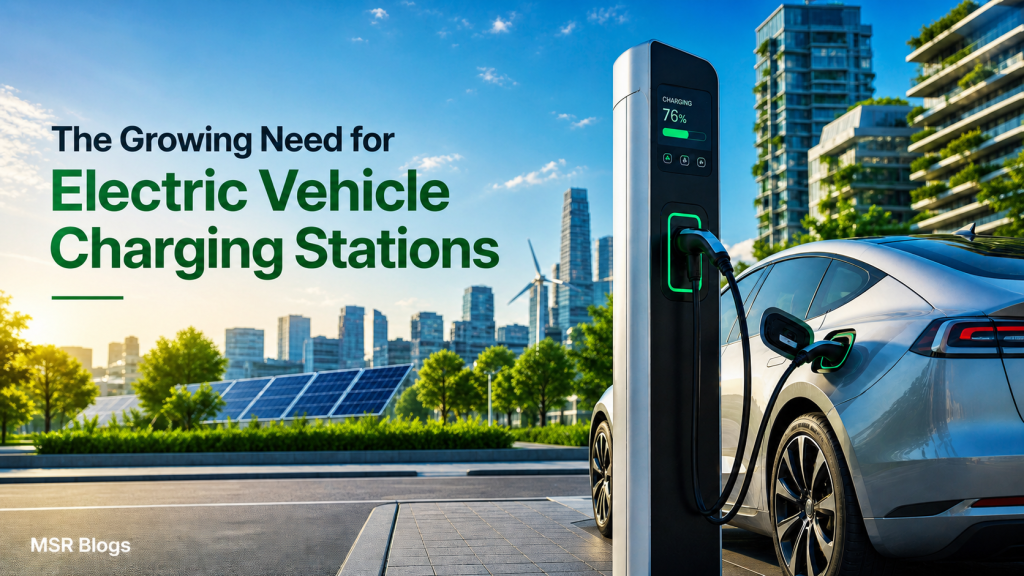
EV charging stations are a critical component of modern sustainable transportation infrastructure that supports the widespread adoption of electric vehicles. Electric cars represent one of the key technologies in the struggle against the negative effects of climate change. They do not pollute the environment and are much more efficient than traditional cars with internal combustion engines. Therefore, their popularity keeps rising. However, without proper infrastructure, such as EV charging stations, it is unlikely that the number of people switching to electric vehicles will increase substantially. In addition, the availability of convenient home charging solutions plays a crucial role in encouraging everyday adoption by allowing users to charge their vehicles overnight with ease. This paper explores the concept of EV charging stations, including their importance, types, and the advantages and disadvantages of their implementation.
EV Charging Stations – Importance and Benefits
The recent decades have seen the rapid development of technologies related to electric vehicles, mainly due to the improvements in battery efficiency and the growing understanding of the importance of environmental protection. As a result, many people decide to purchase electric cars. Consequently, the need for charging stations rises. Such infrastructure elements are essential for the operation of electric cars since they enable their owners to keep them powered. There are several reasons why it is important to promote the creation of charging stations:
- First of all, it allows individuals to recharge their vehicles easily, whether they live in urban or rural areas;
- Moreover, charging stations facilitate the adoption of electric cars among individuals who have to travel long distances, which would not be possible without proper infrastructure; and
- Finally, they contribute to the reduction of greenhouse gas emissions, as the combination of electric cars and green charging stations significantly cuts the carbon footprint of a car.
Therefore, EV charging stations contribute to the achievement of two major goals, namely the promotion of environmentally friendly solutions and the development of the electric vehicle market.
EV Charging Stations types
Currently, there are three major types of charging stations:
Level 1 Chargers
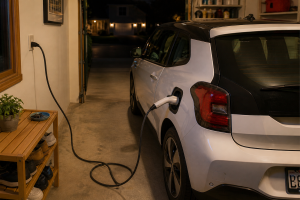
Level 1 chargers are the most common types of chargers, which provide low-speed recharging. Typically, they operate at 120 volts, which makes them easy to install at home. This type of charger provides approximately 3-5 miles of range per hour of charging, which makes them impractical for long-distance travel. Therefore, Level 1 chargers are usually installed at home.
Level 2 Chargers
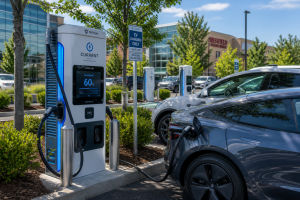
Level 2 chargers are characterized by relatively high recharging speed compared to Level 1 chargers. They can recharge batteries from 10 to 60 miles per hour, which makes them suitable for regular use at home. These charging stations can be found in numerous locations, including residential homes, shopping centers, and workplaces. Thus, Level 2 chargers are highly popular.
Level 3 Chargers
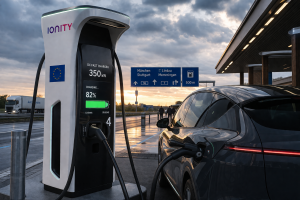
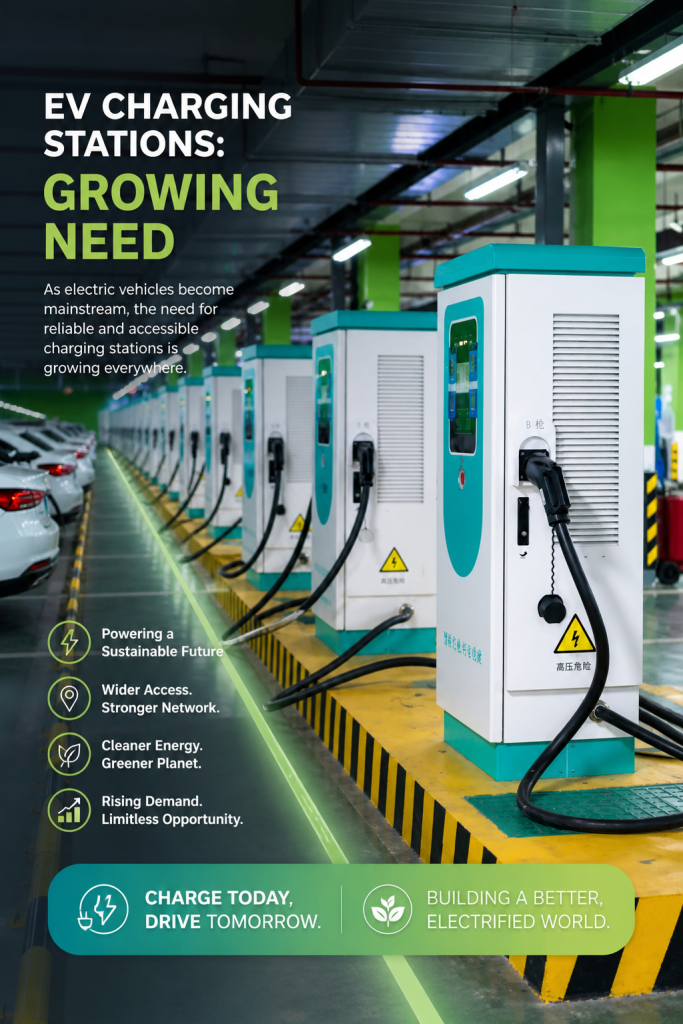
Level 3 chargers, also referred to as fast charging or DC chargers, are the most sophisticated types of charging stations. Their distinctive feature is the use of direct current to deliver electricity to batteries. As a result, they can charge the batteries to 80% in less than half an hour. Since these chargers require relatively large amounts of money to be installed and maintained, they are located near highways and other places where people may want to make a quick stop and recharge the battery.
In conclusion, it should be noted that Level 2 chargers are the most popular type of charging stations because they offer reasonable prices and relatively good recharging speeds.
EV Charging Stations Development Advantages and Disadvantages
Development Opportunities
- Governments around the globe actively invest in the construction of charging stations through financial incentives such as tax credits.
- Solar energy integration can reduce costs and improve efficiency of charging stations.
- Smart charging technologies can manage sessions, pricing, and scheduling efficiently.
Development Disadvantages
- High installation and maintenance costs may require significant government support.
- Construction may cause environmental damage such as deforestation.
Conclusion
Electric cars and their charging stations are one of the most promising trends in the modern world since they contribute to environmental protection. Although some challenges exist, there are many opportunities in their development.