
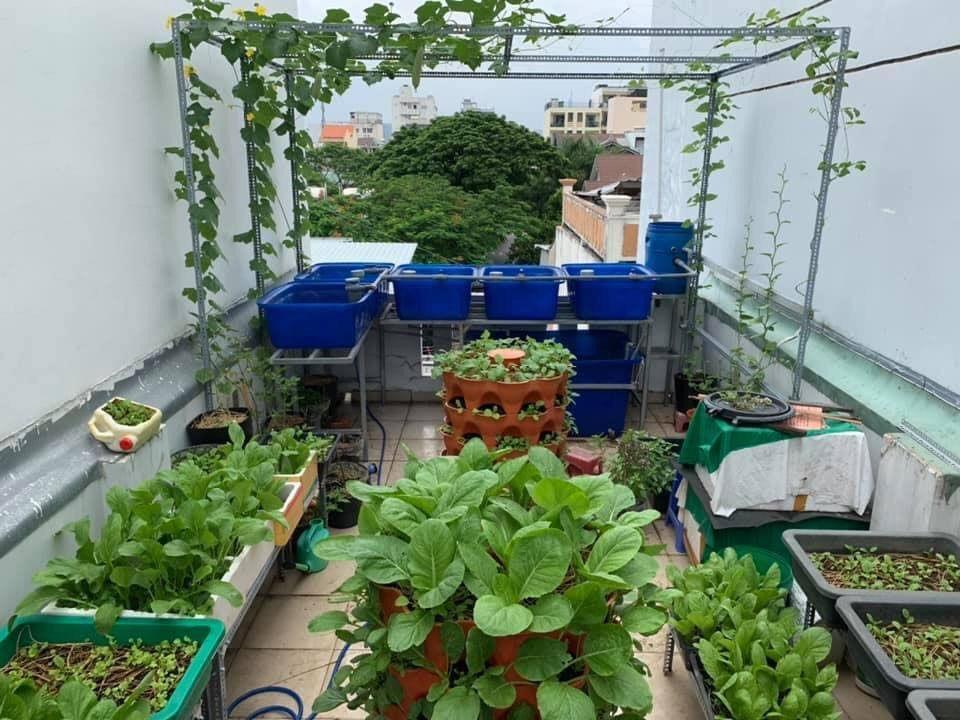
Roof Gardening Guide
Introduction Looking for a complete Roof Gardening Guide? Roof gardening is an easy way to transform unused rooftop space into a productive rooftop garden. This Roof Gardening Guide covers the essentials, from choosing the right plants and soil to watering and maintaining a healthy roof garden. Roof Gardening Guide: Benefits of Roof Gardening A well-planned rooftop garden offers many benefits for your home, health, and the environment. This Roof Gardening Guide highlights why more people are choosing roof gardening and rooftop gardening as a sustainable lifestyle. 1. Fresh Organic Food Grow fresh vegetables, herbs, and fruits at home, reducing your reliance on store-bought produce. 2. Keeps Your Home Cooler A roof garden helps absorb heat, lowering rooftop temperatures and making your home more comfortable during summer. 3. Improves Air Quality Plants in a rooftop garden absorb carbon dioxide, release oxygen, and help filter dust and pollutants. 4. Supports Health and Well-being Roof gardening is a relaxing hobby that reduces stress, promotes physical activity, and creates a peaceful outdoor space. 5. Makes Better Use of Space Turn an unused rooftop into a beautiful and productive rooftop garden for growing plants, vegetables, and flowers. Things to Consider Before Starting Before buying pots and plants, make sure your rooftop is suitable for gardening. Structural Strength Ensure your roof can safely support the additional weight of containers, soil, plants, and water. If necessary, consult a structural engineer. Waterproofing Proper waterproofing prevents water leakage that could damage the building. Sunlight Most vegetables require 6–8 hours of direct sunlight daily. Observe your rooftop to determine which areas receive the most sunlight. Drainage Good drainage is essential to prevent standing water, which can damage both plants and the roof. Essential Materials To build a successful rooftop garden, you’ll need: Pots or grow bags Quality garden soil Organic compost Coco peat Sand or perlite for drainage Watering can or hose Gardening gloves Hand trowel and pruning scissors Organic fertilizers Neem oil for natural pest control Roof Gardening Guide: Preparing the Perfect Soil Mix A healthy rooftop garden starts with the right soil mix. In this Roof Gardening Guide, you’ll learn that a balanced growing medium provides essential nutrients, retains moisture, and ensures proper drainage for stronger, healthier plants. A recommended mixture is: 40% garden soil 30% organic compost 20% coco peat 10% sand or perlite Mix all ingredients thoroughly before filling your containers. Best Plants for Beginners If you’re new to gardening, start with plants that are easy to grow. Vegetables Tomato Chili Eggplant Okra Spinach Lettuce Beans Herbs Mint Coriander Basil Curry leaves Flowers Marigold Rose Hibiscus Sunflower Petunia Growing a mix of vegetables and flowers also attracts beneficial pollinators like bees and butterflies. Watering Tips Proper watering is one of the most important aspects of roof gardening. Water plants early in the morning or late in the afternoon. Avoid watering during the hottest part of the day. Check soil moisture before watering. Ensure excess water drains out easily. Increase watering during summer and reduce it during rainy or winter seasons. Remember that overwatering is just as harmful as underwatering. Fertilizing Your Garden Plants require nutrients throughout their growing cycle. For best results: Add organic compost every 15–20 days. Use liquid organic fertilizer once every two weeks. Apply vermicompost regularly. Avoid excessive use of chemical fertilizers. Organic fertilizers improve soil health and produce healthier vegetables. Roof Gardening Guide: Natural Pest and Disease Control Every rooftop garden may face pests and plant diseases, but many problems can be managed using natural methods. This Roof Gardening Guide recommends eco-friendly solutions like neem oil, proper plant care, and regular inspection to keep your roof garden healthy and productive. Some effective methods include: Spray diluted neem oil every two weeks. Remove infected leaves immediately. Keep the garden clean. Avoid overcrowding plants. Inspect plants regularly for insects. Healthy plants are naturally more resistant to diseases. Common Mistakes Beginners Should Avoid Many new gardeners make similar mistakes. Try to avoid: Watering too frequently Using poor-quality soil Planting large vegetables in small containers Ignoring drainage holes Applying too much fertilizer Growing sun-loving plants in shady areas Learning from these mistakes will help your garden thrive. Regular Maintenance A successful rooftop garden requires consistent care. Your weekly routine should include: Removing weeds Pruning dead leaves Checking for pests Adding compost when needed Cleaning containers Supporting climbing plants with stakes or trellises Just 20–30 minutes of maintenance each week can keep your rooftop garden healthy and productive. Safety Tips Since rooftop gardens are exposed to weather conditions, always follow basic safety measures: Secure tall pots against strong winds. Keep walkways clear. Do not overload one section of the roof. Store gardening tools safely. Ensure proper drainage after heavy rain. Safety is just as important as plant care. Conclusion Roof gardening is more than just a hobby—it is a sustainable lifestyle that benefits both people and the environment. Whether you have a small rooftop or a large terrace, you can create a beautiful green space that produces fresh food, enhances your home’s appearance, and improves your quality of life. Starting small is perfectly fine. With the right planning, quality soil, proper watering, and regular maintenance, your rooftop garden can flourish throughout the year. Every plant you grow contributes to a healthier environment and brings you one step closer to sustainable living. If you’ve been thinking about starting a rooftop garden, today is the perfect day to begin. Your rooftop has the potential to become your favorite place at home. Frequently Asked Questions (FAQs) Q1: How much sunlight does a rooftop garden need? Most plants in a rooftop garden require 6–8 hours of direct sunlight each day for healthy growth. Q2: Can I grow vegetables in a rooftop garden? Yes. This Roof Gardening Guide recommends beginner-friendly vegetables such as tomatoes, chilies, spinach, lettuce, eggplants, and herbs, which grow well in pots and grow bags. Q3: How often should I water a roof garden? Water your roof garden based on the weather and soil moisture. During summer, plants
Roof Gardening Guide Read More »