More

The Importance of Good Health

Good health is the cornerstone of a fulfilling and successful life. It impacts every aspect of our well-being, from physical strength to mental clarity and emotional stability. Achieving and maintaining good health is not just about avoiding illness; it’s about cultivating habits that support a balanced and vibrant lifestyle. The Pillars of Good Health Good health is built on several key pillars that support each other, creating a foundation for a long, active life. These pillars include proper nutrition, regular physical activity, adequate rest, and mental well-being. 1. Nutrition: Fueling the Body What we eat directly impacts how our body functions. A balanced diet, rich in vitamins, minerals, and nutrients, is essential for maintaining energy levels, promoting healthy growth, and preventing chronic diseases. Eating a variety of foods, such as fruits, vegetables, lean proteins, whole grains, and healthy fats, helps support the body’s various systems, including the immune system, cardiovascular system, and digestive system. Incorporating nutrient-dense foods into your daily meals is important, but it’s also crucial to stay hydrated by drinking plenty of water. Avoiding excessive consumption of processed foods, sugary snacks, and unhealthy fats can go a long way in preventing obesity, diabetes, and heart disease. 2. Physical Activity: Keeping the Body Strong Regular physical activity is a critical component of good health. Exercise helps maintain a healthy weight, improves heart health, strengthens muscles and bones, and boosts energy levels. It also has a positive impact on mental health, reducing stress, anxiety, and depression. Engaging in at least 150 minutes of moderate-intensity aerobic exercise each week, such as brisk walking, cycling, or swimming, can significantly reduce the risk of chronic conditions like heart disease, type 2 diabetes, and certain cancers. Additionally, strength training exercises, such as weightlifting or bodyweight exercises, help build muscle mass and improve overall body strength. 3. Rest and Sleep: Restoring the Body Adequate sleep is essential for maintaining good health. Sleep allows the body to recover, repair damaged tissues, and restore energy. It also plays a crucial role in cognitive function, memory consolidation, and emotional regulation. Adults typically need 7-9 hours of sleep each night to function optimally. Chronic sleep deprivation can have serious consequences on both physical and mental health. It can lead to weakened immune function, increased stress levels, and a higher risk of developing conditions such as heart disease, obesity, and diabetes. Establishing a consistent sleep routine and creating a restful sleep environment are key to improving sleep quality. 4. Mental Well-Being: Nurturing the Mind Good health is not only about physical fitness; it also involves mental and emotional well-being. A positive mental state supports better decision-making, fosters strong relationships, and enhances overall quality of life. Managing stress, staying connected with loved ones, and engaging in activities that bring joy are all vital for mental health. Practices such as mindfulness meditation, deep breathing exercises, and journaling can help reduce stress and increase feelings of calm and contentment. Seeking professional support through therapy or counseling can also be beneficial for those struggling with mental health issues. 5. Preventive Care: Proactive Health Management Preventive care plays a key role in maintaining good health. Regular check-ups, screenings, and vaccinations help detect potential health issues early, before they become more serious problems. Preventive measures, such as wearing sunscreen, avoiding smoking, and practicing safe driving, also reduce the risk of developing health complications in the future. Staying up-to-date with routine health screenings, such as blood pressure checks, cholesterol tests, and cancer screenings, allows for early intervention, which can save lives and improve long-term health outcomes. The Role of Lifestyle Choices in Health In addition to the fundamental pillars of health, the choices we make on a daily basis play a significant role in our overall well-being. Managing stress, maintaining a healthy work-life balance, and avoiding harmful habits like smoking or excessive alcohol consumption can greatly impact our health. Building a strong support system of family and friends, prioritizing self-care, and making time for hobbies or activities that bring fulfillment are all important steps toward sustaining good health. Conclusion: Striving for Balance Good health is not a one-time goal but a continuous journey. It requires conscious effort and commitment to maintain a balanced lifestyle that supports both physical and mental well-being. By focusing on nutrition, physical activity, sleep, mental health, and preventive care, we can lay the foundation for a vibrant and fulfilling life. Remember, small changes can make a big difference. Incorporating healthy habits into daily life can lead to long-lasting benefits, enhancing not just your physical health but also your emotional and mental state. Prioritize your health today, and you’ll reap the rewards for years to come.

The Importance of Good Health Read More »

The Ever-Evolving World of Fashion

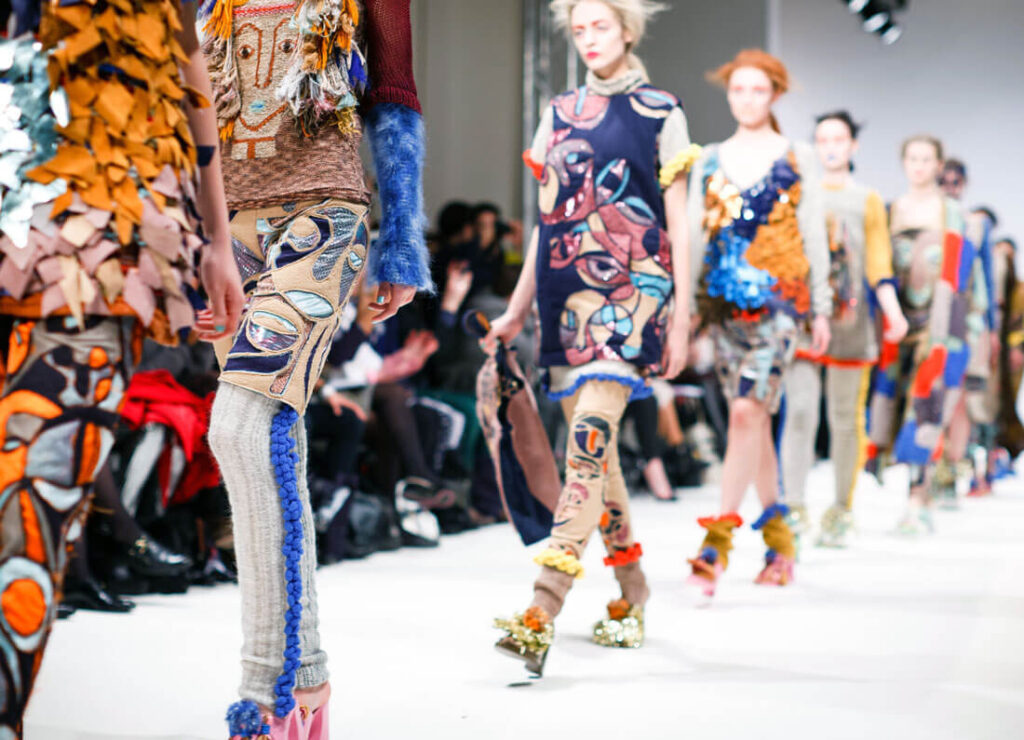
Fashion is not just about clothing; it’s a dynamic and ever-evolving expression of individuality, culture, and creativity. From the runway to the streets, fashion has the power to transform lives, evoke emotions, and influence societal norms. It reflects the times we live in, and with every passing season, it introduces new trends, materials, and concepts. Fashion as a Reflection of Society Fashion is often viewed as a mirror of society. What we wear can speak volumes about who we are, where we come from, and what we stand for. Throughout history, fashion has been used to showcase one’s social status, religion, profession, and personal style. In the 20th century, the rise of fashion icons like Coco Chanel, Audrey Hepburn, and Yves Saint Laurent helped define the image of modernity and sophistication. Their creations not only shaped the way women dressed but also influenced the broader cultural narrative. Today, fashion is more inclusive than ever before, with designers increasingly recognizing diversity in all its forms. Models of different races, sizes, and genders are gracing the covers of magazines and walking the runways, leading to a more democratic approach to beauty and style. The Influence of Technology on Fashion Technology has brought a profound shift in the way fashion is produced, marketed, and consumed. From online shopping to 3D printing and digital fashion shows, the fashion industry has embraced the digital revolution. Consumers can now shop for their favorite styles with the click of a button, and fashion brands are leveraging social media platforms like Instagram and TikTok to reach millions of potential customers. In addition, innovations in fabric technology have resulted in sustainable materials, such as organic cotton and recycled polyester, gaining traction. The focus on sustainability has led to the rise of slow fashion, a movement aimed at reducing waste and promoting ethical production processes. Brands are becoming more transparent, offering consumers eco-friendly alternatives without compromising on style. The Rise of Fast Fashion On the flip side, the rise of fast fashion has made clothing more affordable and accessible than ever before. Retailers like Zara, H&M, and Shein have made it possible for consumers to buy the latest trends at low prices, sometimes even weekly. While this has democratized fashion, it has also led to concerns about its environmental and ethical implications. The disposable nature of fast fashion has resulted in vast amounts of textile waste, with many garments ending up in landfills shortly after purchase. Consumers are now increasingly questioning the impact of their purchases on the planet and are turning to more sustainable alternatives. This has sparked a shift towards conscious consumption, where people are more mindful of the origin and lifespan of the products they buy. Fashion in the Digital Age: Virtual and Augmented Reality The advent of virtual and augmented reality (VR and AR) has taken fashion to new heights, creating an immersive shopping experience. Brands are experimenting with virtual fitting rooms, allowing customers to “try on” clothes digitally before making a purchase. These technologies not only enhance the consumer experience but also reduce the need for physical stores and fitting rooms, aligning with the growing emphasis on sustainability. Moreover, fashion shows are becoming more accessible through live streaming and virtual runways. This has broken down geographical barriers, allowing fashion enthusiasts from around the world to experience haute couture firsthand. The Role of Fashion in Self-Expression Fashion has always been a way for people to express themselves. Whether through bold color choices, unique accessories, or unconventional pairings, personal style speaks volumes about a person’s identity. In recent years, fashion has become an even more important vehicle for self-expression, as individuals embrace their uniqueness without fear of judgment. The rise of streetwear culture is a testament to this shift. Born from urban environments, streetwear is all about mixing high-end fashion with casual, everyday wear. Brands like Supreme, Off-White, and Yeezy have taken the fashion world by storm, proving that style is no longer confined to the runways but has made its way into the streets. Conclusion: The Future of Fashion The future of fashion is bright and full of possibilities. As the industry continues to evolve, we will see even more innovative materials, designs, and technologies that challenge the status quo. Fashion will continue to reflect the world around us, evolving with cultural shifts, technological advancements, and the desire for inclusivity and sustainability. Fashion, after all, is not just about clothing; it’s about the stories we tell through what we wear and how we choose to express ourselves. As society changes, so too will the way we dress—making fashion an exciting journey of self-discovery, creativity, and empowerment.

The Ever-Evolving World of Fashion Read More »

Football Is A Game That Unites the World

Football, known as soccer in some countries, is the most popular sport globally, with over 4 billion fans across the world. It is not just a game; it is a universal language that brings people from different backgrounds together, fostering camaraderie, rivalry, and unforgettable moments. From the dusty streets of villages to the grand stadiums filled with thousands of spectators, football has earned its place as the world’s game. The History of Football Football’s roots trace back to ancient civilizations, with various cultures playing games involving a ball and feet. However, the modern form of football began in England in the 19th century. The first set of official rules, known as the Laws of the Game, was established in 1863 by the newly formed Football Association in England. The game spread across Europe and beyond, quickly becoming a global phenomenon. The Rules of the Game Football is played between two teams, each consisting of 11 players, including a goalkeeper. The objective is simple: score more goals than the opponent by getting the ball into the opposing team’s net. The game lasts 90 minutes, split into two halves of 45 minutes each, with a 15-minute halftime break. Football matches are overseen by a referee, who ensures the game is played fairly and safely. The use of hands is forbidden for all players except the goalkeeper, who can use their hands within their penalty area. The team that scores the most goals wins, but in case of a tie, extra time or penalty kicks may be used to determine the winner, especially in knockout tournaments. Global Impact of Football Football is more than just a sport; it has a profound cultural and social impact. Major events like the FIFA World Cup, which takes place every four years, captivate billions of viewers. The World Cup is a celebration of national pride, with countries coming together to compete for glory on the world stage. The tournament not only promotes the sport but also encourages unity and friendship between nations, transcending political and geographical boundaries. The club football scene is equally exciting, with teams like Barcelona, Manchester United, Bayern Munich, and Juventus attracting millions of loyal fans. These clubs are more than just football teams; they are symbols of identity and passion for their supporters. Football clubs contribute significantly to local economies and create job opportunities, while also providing a platform for young talent to emerge. Football’s Influence on Culture and Society Football has a unique ability to unite people from diverse backgrounds. It can bridge the gap between different cultures and communities, offering a sense of belonging. International football tournaments often serve as a melting pot for people of all races, religions, and nationalities. This cultural diversity fosters mutual respect and understanding, making football a powerful tool for promoting peace. Moreover, football’s popularity extends to its influence on fashion, music, and entertainment. Many musicians and fashion designers draw inspiration from the sport, with footballers like Cristiano Ronaldo and Lionel Messi becoming style icons. The sport also has a significant impact on social media, where fans from around the world discuss matches, players, and teams, creating an online community that is just as vibrant as the real-world one. The Future of Football Football continues to evolve, with technological advancements shaping how the game is played and viewed. The introduction of technologies like VAR (Video Assistant Referee) has helped ensure fairness and accuracy in decision-making, reducing the chances of human error. Similarly, innovations in sports science have improved players’ performance, leading to faster and more intense matches. The future of football looks promising, with younger generations embracing the sport in new ways. With the rise of e-sports, football video games such as FIFA are becoming more popular, allowing fans to interact with the sport virtually. Football is not just surviving in the modern age—it is thriving, adapting to new trends, and growing in popularity. Conclusion Football is more than just a game; it’s a passion, a culture, and a universal language that connects people around the globe. Whether played on the streets, in schools, or in professional stadiums, football has the power to bring joy, teach life lessons, and foster global unity. It continues to evolve, but its core principles of teamwork, sportsmanship, and fair competition remain timeless. The beautiful game, as it is often called, will forever hold a special place in the hearts of millions, inspiring future generations of players, fans, and enthusiasts.

Football Is A Game That Unites the World Read More »

MSR Blogs – Fresh Perspectives on Tech, Lifestyle, and More — it features posts on topics like daily wishes (e.g., anniversary, birthday, wedding wishes), reviews, and content about bikes, cars, laptops, and accessories.

Popular Procedures

Breast Augmentation

Mommy Makeover

Eyelid Surgery

Skin Care Treatment

Useful Links

Free Consultation

Customer Support

Terms and Conditions

Privacy Policy

Contact

© 2026 Created by Sajedur Rahman