All Wishes

Why Food is More Than Fuel

Food is the only thing we all have in common. It’s a sensory experience that bridges cultures, preserves history, and—let’s be honest—is usually the best part of any day. Whether it’s a five-star tasting menu or a $2 taco from a street corner, every bite tells a story. In this post, we’re exploring why our relationship with food is so powerful and how to elevate your own culinary journey. The Three Pillars of a Great Meal What turns “eating” into an “experience”? It usually comes down to a balance of three things: Contrast: Think of the crunch of fried chicken against its juicy interior, or a cold scoop of vanilla ice cream on a warm brownie. Acidity: Often the “missing ingredient.” A squeeze of lime or a splash of vinegar cuts through fat and brightens the entire dish. Umami: That savory “fifth taste” found in mushrooms, soy sauce, and aged cheeses that makes a dish feel complete. Global Flavors: A Quick Cheat Sheet Exploring new cuisines is like traveling without a passport. Here’s a look at the “holy trinity” of aromatics that define different world flavors: Cuisine The Base Ingredients French Mirepoix (Onions, Carrots, Celery) Cajun/Creole The Holy Trinity (Onions, Bell Peppers, Celery) Chinese Ginger, Garlic, Scallions Italian Soffritto (Onions, Carrots, Celery, Garlic, Parsley) The Rise of Mindful Eating In our fast-paced world, we often eat at our desks or in front of a screen. Mindful eating is the practice of slowing down to actually notice what you’re consuming. “To eat is a necessity, but to eat intelligently is an art.” — François de La Rochefoucauld By focusing on the texture, smell, and origin of your food, you not only enjoy it more but also become more in tune with your body’s hunger cues. It’s about quality over quantity. Why We Share There’s a reason the word “companion” comes from the Latin com (with) and panis (bread). Breaking bread is the ultimate act of connection. Food has a unique way of lowering our guard and sparking conversation. Whether you’re a seasoned home cook or a professional reservation-maker, food is the thread that weaves our social lives together.

Why Food is More Than Fuel Read More »

Sugar Cookies Recipe

Who doesn’t like to bake these wonderful cookies?     Ingredients 2 ¼ cups (281 g) all-purpose flour (spooned & leveled) ½ tsp baking powder ¼ tsp salt ¾ cup (170 g) unsalted butter, softened to room temperature ¾ cup (150 g) granulated sugar 1 large egg 2 tsp pure vanilla extract ¼–½ tsp almond extract (optional but recommended) Easy Cookie Icing 3 cups (360 g) confectioners’ sugar ½ tsp pure vanilla extract (or replace with water for stark white) 2 tsp light corn syrup 4.5–5 Tbsp (67–75 ml) room temperature water Pinch of salt Optional: gel food coloring & sprinkles for decorating Procedures Make the Cookie Dough Mix dry ingredients: Whisk together flour, baking powder, and salt in a bowl; set aside. Cream butter & sugar: In a large bowl, beat softened butter and granulated sugar until smooth and creamy (about 3 minutes). Add egg & extracts: Beat in the egg, vanilla, and optional almond extract until combined. Combine: Add dry ingredients to the wet mixture; mix on low speed until combined. Dough will be slightly soft. Chill & Roll Divide & roll: Divide dough in half. Roll each half out on lightly floured parchment or silicone mat to about ¼-inch thickness. Chill: Stack the rolled-out dough with parchment between layers and refrigerate at least 1–2 hours (up to 2 days). This helps cookies keep their shape. Bake Preheat: Heat oven to 350 °F (177 °C). Line baking sheets with parchment paper or baking mats. Cut shapes: Remove chilled dough, cut shapes with cookie cutters, and re-roll scraps as needed. Bake: Place cookies ~3 inches apart. Bake 11–12 min or until edges are lightly browned. Cool on baking sheet 5 min, then transfer to a rack to cool fully before icing. Easy Cookie Icing Combine icing ingredients: In a bowl, whisk confectioners’ sugar, vanilla (or water), corn syrup, water, and salt until smooth. Decorate: Tint with food coloring if desired. Use a squeeze bottle or piping tool to decorate cooled cookies; add sprinkles if you like. Dry: Let icing set about 24 hrs before stacking or transporting (though you can eat sooner if you don’t need fully hardened icing).

Sugar Cookies Recipe Read More »

Mozart-A True Prodigy

Wolfgang Amadeus Mozart(27 January 1756 – 5 December 1791) was a great composer and a musician. He was born in 1756 in Salzburg (now Austria). His father, Leopold, was a violinist and composer—and he quickly realized his son was wildly gifted. By age 5, Mozart was composing. By 6, he was touring around Europe playing for royalty like it was no big deal. Imagine being a literal child and casually performing for kings and queens. As a teenager and young adult, he wrote symphonies, operas, chamber music—you name it. He eventually moved to Vienna to work independently, which was kind of rebellious at the time because most composers worked for aristocrats full-time. In Vienna, he created some of his most famous works: Don Giovanni The Magic Flute And the haunting, unfinished Requiem Despite his genius, he struggled financially. He earned good money at times but didn’t manage it well and had inconsistent patronage. He also worked nonstop, which took a toll on his health. Mozart  switch his focus between operas and instrumental music. His operas include opera buffa, such as Le nozze di Figaro, Don Giovanni, and Così fan tutte; opera seria, such as Idomeneo; and Singspiel, of which The Magic Flute is the most popular one from any composer. Mozart died in 1791 at just 35 years old. Despite his short life, he composed over 800 works. His music is known for being technically brilliant but also incredibly emotional and human. Honestly, the wild part isn’t just that he was talented—it’s how much depth and beauty he packed into such a short life.

Mozart-A True Prodigy Read More »

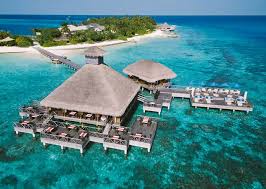
Maldives-Where Magic meets Reality

The Maldives is a tropical island nation in the Indian Ocean, famous for its crystal-clear waters, white-sand beaches, coral reefs, and over-water bungalows. The capital city is Malé, and there are more than 1,000 islands. Activities You may enjoy Snorkeling & Scuba Diving -It is well suited for  vibrant coral reefs and marine life. Beach relaxation – You can sit on spectacular sandbanks with a drink and relax under calm waters Water sports – If you are an adventurous person then you may enjoy jet skiing, parasailing, kayaking. Island-hopping or visiting local islands for culture.   What’s the best time to visit   December–March is the best season for the tourists for its best weather, clearer seas, peak travel time. However, in off seasons, there will be more rainfall, lower prices.   Budget Planning   Daily expenses (food, local transport, activities) can vary from one region to another Local guesthouses (budget): ~Tk 3000–Tk 5000 per night.   Resorts (luxury): ~Tk10,000 up to Tk50,000+ per night depending on the property.   In order to enter into Maldives from Bangladesh you should have Valid passport (≥6 months). Return flight booking. Hotel/accommodation confirmation Enjoy your days in Maldives!!

Maldives-Where Magic meets Reality Read More »

The Foundation of a Better Future

Education is one of the most powerful tools for personal and social development. It is not limited to reading books or passing examinations; rather, it shapes a person’s character, mindset, and moral values. Through education, individuals learn to distinguish between right and wrong and become responsible members of society. Education develops critical thinking and creativity. An educated person can make informed decisions, solve problems effectively, and adapt to changing situations. It builds self-confidence and opens doors to better opportunities in life. Without education, a person may struggle to understand the world and contribute meaningfully to society. The progress of a nation largely depends on the quality of education of its people. Educated citizens create skilled manpower, which is essential for economic growth, technological advancement, and innovation. Countries that invest in education are more likely to achieve sustainable development and social stability. In today’s modern world, education must be practical and technology-oriented. Along with academic knowledge, students should learn ethics, discipline, and life skills. Schools, families, and governments must work together to ensure equal access to quality education for all. In conclusion, education is the light that removes the darkness of ignorance. It empowers individuals, strengthens society, and builds a prosperous nation. Giving priority to education is the key to creating a better and brighter future.

The Foundation of a Better Future Read More »

Job and Its Importance in Life

  A job plays a vital role in a person’s life as well as in the development of society. It is not only a source of income but also a means of self-respect, independence, and personal growth. Through a job, a person earns a living, supports their family, and contributes to the economy of the country. In the modern world, having a job is considered essential for leading a stable and meaningful life. First of all, a job provides financial security. Money is necessary to meet basic needs such as food, clothing, shelter, education, and healthcare. Without a regular income, it becomes very difficult to survive in today’s competitive world. A job enables a person to plan for the future, save money, and improve their standard of living. Financial independence also gives confidence and reduces dependence on others. Secondly, a job gives a person a sense of identity and self-respect. People are often known by their profession, such as teacher, doctor, engineer, or businessman. Having a job makes a person feel valued and respected in society. It creates a sense of responsibility and discipline in life. When someone earns through honest work, they feel proud of themselves and gain social recognition. Moreover, a job helps in personal development. Through work, people learn new skills, gain experience, and improve their knowledge. It helps develop qualities such as punctuality, teamwork, communication skills, and problem-solving ability. A job also teaches patience and perseverance, as success does not come easily. Facing challenges at work makes a person stronger and more confident. In addition, jobs are essential for the progress of a country. Every profession contributes to national development in some way. Farmers produce food, teachers educate the nation, doctors save lives, and engineers build infrastructure. When people work sincerely in their respective fields, the overall economy grows. Employment opportunities also reduce poverty and social problems like crime and unemployment. A job also brings mental satisfaction and purpose in life. Being engaged in productive work keeps a person active and focused. Unemployment often leads to frustration, stress, and depression. On the other hand, having a job gives a sense of purpose and motivation. It keeps the mind busy and helps maintain a healthy lifestyle. Work-life balance further improves happiness and mental well-being. However, choosing the right job is very important. A job should match a person’s skills, interests, and abilities. When people work in a field they enjoy, they perform better and feel satisfied. Today, there are many job opportunities in different sectors such as education, technology, healthcare, business, and freelancing. With proper education and training, anyone can build a successful career. In conclusion, a job is one of the most important aspects of human life. It provides financial stability, self-respect, personal growth, and social recognition. It also plays a key role in the development of society and the nation. Therefore, everyone should value work and try to contribute positively through their job. Honest and dedicated work leads not only to success but also to a meaningful and fulfilling life.

Job and Its Importance in Life Read More »

The Importance of Food in Human Life

  Food is one of the most basic and essential needs of human life. From birth to old age, food plays a vital role in maintaining health, strength, and overall well-being. It is not only necessary for survival but also closely connected to culture, economy, and social life. A healthy and balanced diet helps people live longer, work better, and enjoy life more fully. First of all, food provides energy to the human body. Every activity we perform—walking, studying, working, or even sleeping—requires energy. This energy comes from the nutrients present in food, such as carbohydrates, proteins, and fats. Without sufficient food, the body becomes weak and tired, and it cannot function properly. For students, proper food is especially important because it improves concentration, memory, and learning ability. Secondly, food helps in growth and development. Children and teenagers need nutritious food to grow physically and mentally. Proteins help build muscles and tissues, while vitamins and minerals support the development of bones, teeth, and organs. A lack of proper nutrition during childhood can cause serious health problems, such as stunted growth, weak immunity, and poor academic performance. Therefore, ensuring healthy food for children is crucial for building a strong future generation. Food also plays a major role in protecting us from diseases. Vitamins, minerals, and antioxidants found in fruits, vegetables, and other natural foods help strengthen the immune system. A strong immune system enables the body to fight infections and illnesses. For example, vitamin C helps prevent colds, iron prevents anemia, and calcium keeps bones strong. On the other hand, unhealthy eating habits—such as consuming too much fast food, sugar, and oily items—can lead to diseases like obesity, diabetes, and heart problems. In addition to physical health, food affects mental health as well. A balanced diet can improve mood, reduce stress, and increase happiness. Foods rich in omega-3 fatty acids, such as fish and nuts, are known to support brain health. Eating regularly and healthily helps maintain emotional balance, while poor eating habits can lead to anxiety, depression, and lack of focus. Food is also deeply connected to culture and tradition. Different countries and communities have their own traditional foods, cooking styles, and eating habits. Festivals, weddings, and family gatherings often revolve around food. Sharing meals strengthens relationships and creates a sense of belonging. Traditional foods not only provide nutrition but also preserve cultural identity and heritage. Moreover, food plays an important role in the economy. Agriculture, food production, transportation, and restaurants provide employment to millions of people worldwide. Farmers grow crops, workers process food, and sellers distribute it to consumers. In many developing countries, agriculture is the backbone of the economy. Ensuring food security—meaning everyone has access to enough safe and nutritious food—is a major goal for governments and international organizations. However, despite the importance of food, many people around the world suffer from hunger and malnutrition. Poverty, natural disasters, and unequal distribution of resources are major causes of food shortage. At the same time, food waste is a serious global problem. Large amounts of edible food are wasted every day, while millions go hungry. Reducing food waste and ensuring fair distribution are essential steps toward a healthier and more just world. In conclusion, food is far more than just something we eat to satisfy hunger. It is essential for energy, growth, health, happiness, culture, and economic development. Eating a balanced and nutritious diet helps people lead active and productive lives. Therefore, we should value food, avoid waste, and make healthy food choices for ourselves and future generations.

The Importance of Food in Human Life Read More »

A Memorable Tour Experience

Traveling is one of the most enriching experiences in life. It allows us to explore new places, understand different cultures, and refresh our minds away from daily routines. Last winter, I had the opportunity to go on a memorable tour that left a deep impression on my heart and mind. Our tour began early in the morning. After packing our bags with excitement, we set off by bus. The journey itself was enjoyable, as we passed green fields, rivers, and small villages. The fresh air and beautiful scenery made us forget the tiredness of travel. Along the way, we stopped at a roadside restaurant to have breakfast, which tasted even better because of our cheerful mood. Our destination was a popular tourist spot known for its natural beauty and historical importance. After reaching there, we checked into a hotel and took a short rest. Soon after, we went out to explore the area. The place was full of life, with tourists from different regions, colorful shops, and friendly local people. The natural surroundings were breathtaking, especially the clear sky and peaceful environment. One of the highlights of the tour was visiting famous landmarks. We explored ancient structures, museums, and scenic spots that reflected the rich history and culture of the place. Our guide explained everything clearly, which helped us understand the significance of each location. Taking photographs and enjoying the views made the moments even more special. In the evening, we enjoyed local food, which was delicious and unique in taste. Trying new dishes was an exciting part of the tour. After dinner, we walked around the area and enjoyed the calm night atmosphere. The lights, soft music, and cool breeze created a magical feeling. The next day, we went sightseeing again and bought souvenirs for our family and friends. Handmade items and traditional products reminded us of the beauty of local culture. Before returning, we spent some quiet moments enjoying nature and reflecting on our journey. Finally, it was time to return home. Although we felt a little sad that the tour had ended, our hearts were full of joy and wonderful memories. This tour taught me the importance of taking breaks, appreciating nature, and spending quality time with others. In conclusion, the tour was not just a journey to a place but an experience that refreshed my mind and enriched my knowledge. Such tours help us grow, learn, and create memories that last a lifetime.

A Memorable Tour Experience Read More »

The Importance of Food in Our Daily Life

Food is one of the most essential parts of human life. It provides the energy and nutrients our bodies need to grow, work, and stay healthy. Without proper food, people become weak and more likely to suffer from illness. That is why food plays a vital role in our daily lives. There are different types of food, such as carbohydrates, proteins, fats, vitamins, and minerals. Carbohydrates give us energy, proteins help build and repair our body, and fats provide stored energy. Vitamins and minerals protect us from diseases and keep our organs functioning properly. A balanced diet includes all these nutrients in the right amounts. Healthy food habits are very important. Eating fresh fruits, vegetables, grains, milk, eggs, fish, and meat helps maintain good health. On the other hand, junk food and fast food contain too much oil, sugar, and salt, which can cause serious health problems like obesity, diabetes, and heart disease. Food is also connected to culture and tradition. Different countries have their own traditional foods that reflect their history and lifestyle. Sharing food with family and friends strengthens relationships and brings happiness. In conclusion, food is not only necessary for survival but also for a healthy and joyful life. By choosing nutritious food and maintaining good eating habits, we can live longer and healthier lives.

The Importance of Food in Our Daily Life Read More »

Digital marketing service in Bangladesh

Digital marketing services in Bangladesh are growing at an impressive rate. Businesses of all sizes—small startups, SMEs, and large corporations—are now investing in digital marketing to reach their target audiences more effectively. Traditional marketing methods such as newspapers, billboards, and television ads are gradually losing their dominance. Digital platforms allow businesses to promote their products and services at a lower cost while achieving measurable and targeted results. As a result, digital marketing has become an essential part of modern business strategy in Bangladesh. Digital Marketing in Bangladesh for Businesses Digital marketing plays a crucial role in helping Bangladeshi businesses survive and grow in a highly competitive market. One of the biggest advantages of digital marketing is its ability to reach a specific audience. Businesses can target customers based on location, age, gender, interests, and online behavior, which is not possible with traditional marketing. Another important benefit is cost-effectiveness. Compared to traditional advertising, digital marketing campaigns require a smaller budget but often deliver higher returns. Small and medium-sized businesses in Bangladesh can now compete with larger companies by using smart digital strategies. Moreover, digital marketing helps build brand awareness, increase customer engagement, and improve sales performance over time. With real-time analytics and performance tracking, businesses can easily measure the success of their campaigns and make data-driven decisions. This level of transparency and control makes digital marketing an ideal solution for businesses in Bangladesh. Digital Marketing Services in Bangladesh

Digital marketing service in Bangladesh Read More »

MSR Blogs – Fresh Perspectives on Tech, Lifestyle, and More — it features posts on topics like daily wishes (e.g., anniversary, birthday, wedding wishes), reviews, and content about bikes, cars, laptops, and accessories.

Popular Procedures

Breast Augmentation

Mommy Makeover

Eyelid Surgery

Skin Care Treatment

Useful Links

Free Consultation

Customer Support

Terms and Conditions

Privacy Policy

Contact

© 2026 Created by Sajedur Rahman