
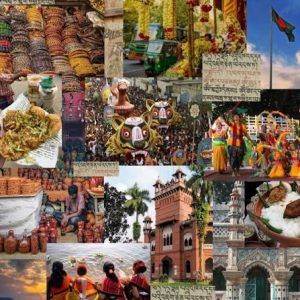
 Bengali History and Culture represent a rich and diverse heritage shaped by centuries of historical events, traditions, literature, art, music, food, festivals, and social customs. Bengal has a unique cultural identity that has developed through the contributions of different communities and generations. From ancient historical sites to modern cultural traditions, Bengali heritage continues to influence everyday life.
A Brief Look at History and Culture
Bengal has a history that spans many centuries. Ancient kingdoms once ruled this region. Later, different rulers shaped its society and culture. The region also experienced colonial rule. Many important events took place during this period. As a result, Bengal developed a unique social and cultural identity.
Historical sites still tell stories from the past. Old buildings, monuments, and archaeological sites help us understand Bengal’s history.
Bengali History and Culture: Language and Literature
Language plays a major role in Bengali History and Culture. Bengali is one of the world’s major languages. It has a rich tradition of poetry, novels, songs, and stories. Bengali writers have created many famous literary works. Their writing often explores nature, love, society, and human life.
Moreover, folk stories and traditional songs keep local history alive. They also pass cultural values from one generation to another.
Bengali History and Culture: Festivals and Traditions
Festivals bring Bengali communities together. Pohela Boishakh is one of the most popular Bengali celebrations. People welcome the Bengali New Year with music, food, and colorful events.
Durga Puja is another major cultural celebration. Families and communities gather during the festival. Traditional clothing, food, music, and decorations make these events special.
Similarly, Nabanna celebrates the harvest season. These festivals show the warmth and diversity of Bengali traditions.
Food and Lifestyle
Bangali Food is an important part of History and Culture. Rice and fish are common foods in Bengali households. People also enjoy vegetables, sweets, and traditional snacks. Pitha is a popular traditional food. Families often prepare different types of pitha during winter and special occasions.
Bengali lifestyle also includes traditional clothing and family customs. These practices continue to influence modern Bengali society.
Bengali History and Culture: Historical Places and Heritage
Bengal has many important historical places. Ancient ruins, mosques, temples, palaces, and monuments show the region’s rich past.
These places attract visitors and researchers. They also help younger generations learn about their heritage.
For this reason, protecting historical sites is very important. Cultural preservation can keep these stories alive for the future.
Why Bengali History and Culture Matter
Bengali History and Culture offer a valuable connection to the past. They show how language, art, food, music, and traditions shape a community.
Most importantly, this heritage gives Bengali people a strong sense of identity. It also helps people around the world learn about Bengal.
Conclusion
Bengali history and culture are rich, colorful, and diverse. They include centuries of history and countless traditions. From Bengali literature to folk music, every element tells a story. From traditional food to festivals, each custom reflects a unique way of life.

