
Food Safety and Hygiene Practice
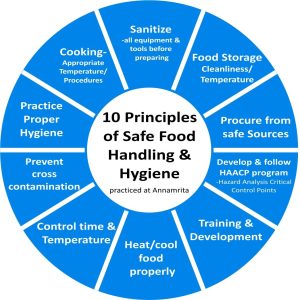
Food safety and hygiene are essential pillars in safeguarding public health and ensuring that the food we consume is safe, nutritious, and free from harmful contaminants. Understanding and implementing proper food safety practices not only protects individuals from foodborne illnesses but also promotes overall well-being and confidence in the food supply chain.
Key Principles of Food Safety and Hygiene
First and foremost, maintaining cleanliness is critical. This includes washing hands thoroughly before handling food, cleaning utensils and surfaces regularly, and ensuring that all food preparation areas are free from dirt and bacteria. Cross-contamination must be avoided by using separate cutting boards and knives for raw and cooked foods.
Temperature control plays a vital role in preventing the growth of harmful microorganisms. Perishable foods should be stored at the correct temperatures—refrigerated below 5°C (41°F) or frozen below -18°C (0°F)—to inhibit bacterial growth. Cooking foods to the appropriate internal temperature ensures that pathogens are destroyed, making the food safe to eat.
Proper food storage is equally important. Foods should be stored in clean, covered containers to protect them from pests and contamination. Additionally, paying attention to expiration dates and consuming food within a safe timeframe helps reduce the risk of spoilage and illness.
Practical Hygiene Habits
Good personal hygiene is another cornerstone of food safety. Food handlers must keep their nails trimmed, avoid wearing jewelry, and cover any cuts or wounds. Wearing clean clothing and, where applicable, hairnets or gloves can further minimize contamination risks.
Regular training and education about food safety standards empower individuals and businesses to uphold these practices consistently. This collective responsibility ensures that every step, from food production to consumption, meets stringent hygiene requirements.
Conclusion
In summary, food safety and hygiene practices encompass cleanliness, temperature control, proper storage, and personal hygiene. By conscientiously applying these principles, we can significantly reduce the risk of foodborne illnesses and contribute to a healthier community. Ultimately, food safety is a shared commitment that begins with awareness and is sustained through diligent practice.